
Tarp Guard journal
How to Prepare Your Home for Cold Weather, Wherever You Live
11/12/2026
When people think about preparing a home for winter, they usually picture snow shovels and frozen driveways. But cold weather looks different depending on where you live.
In the Northeast and Upper Midwest, it means heavy snow and ice. In the South, it can mean a sudden hard freeze that catches homes built for heat off guard. In the Pacific Northwest and parts of California, winter brings long stretches of rain and strong wind. And across the middle of the country, temperatures can swing above and below freezing several times in a single week.
No matter which version of winter you get, your roof takes the brunt of it. Here's how to get your home ready, wherever you are in the continental U.S.
How Cold Weather Affects Your Roof
Snow and ice
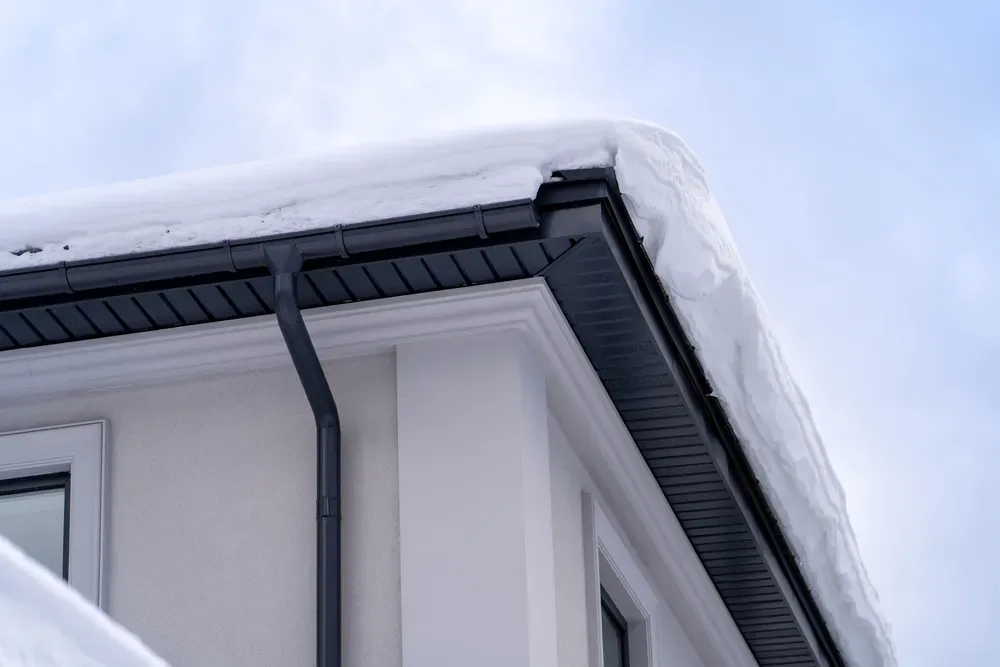
Heavy, wet snow adds weight to a roof, and ice can be even harder on it. When heat from inside the home melts snow on the roof, the water runs down and refreezes at the colder edges, forming ice dams. Water then backs up behind the ice and can work its way under shingles and into the attic.
Hard freezes in warm-weather states
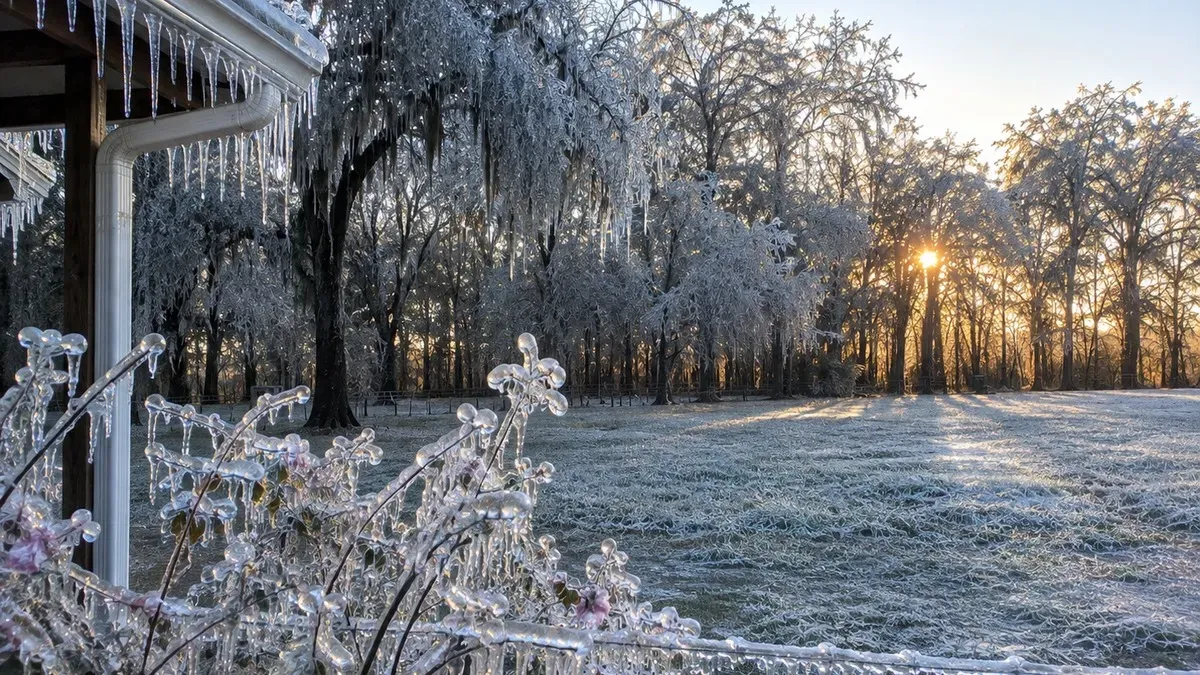
In places that rarely see freezing temperatures, a single cold snap can cause real damage. Homes in the South and Southwest often aren't built with freezing weather in mind, so pipes in attics and exterior walls are more exposed, and ice can weigh down trees that aren't used to carrying it.
Winter rain and wind
For much of the West Coast and parts of the Southeast, winter means rain, and lots of it. Weeks of steady rain will find any small gap in the roof, and winter windstorms can lift shingles or bring down limbs, especially once the ground is soaked and trees are less firmly rooted.

The freeze-thaw cycle
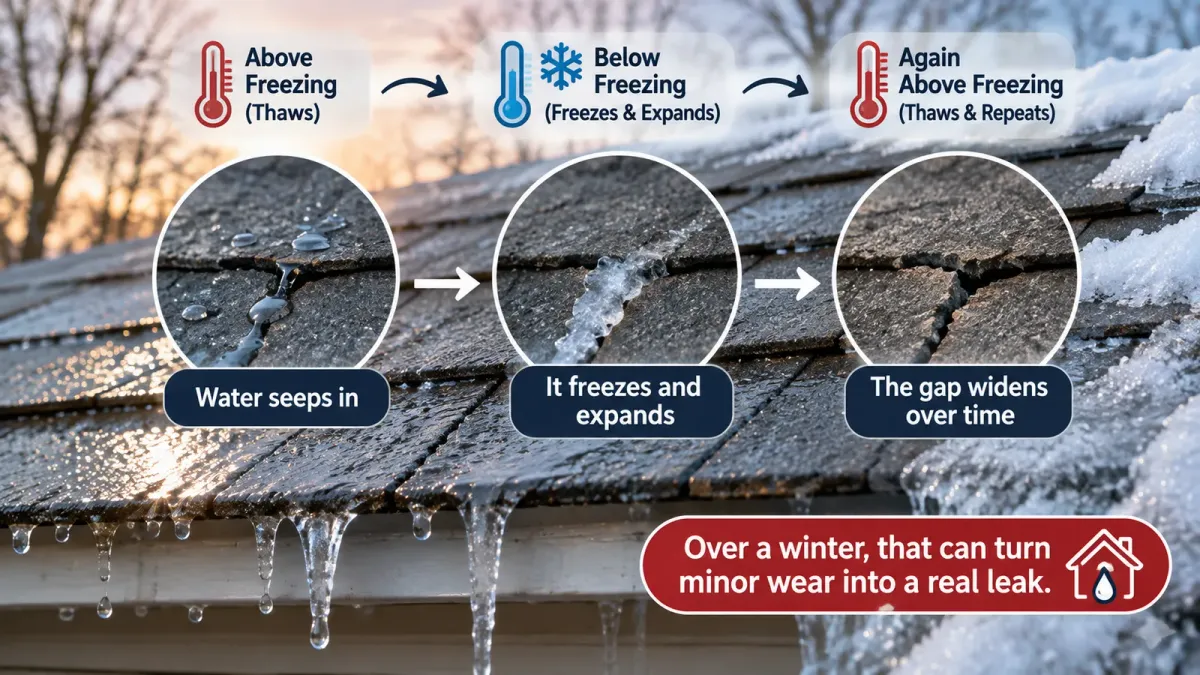
Across much of the middle of the country, temperatures bounce above and below freezing again and again. Each time water seeps into a small crack and freezes, it expands and widens the gap a little more. Over a winter, that can turn minor wear into a real leak.
Falling trees and limbs
This one happens everywhere. Ice, snow, wind, and saturated soil can all bring branches down, and a single heavy limb can open a hole in a roof in seconds.
Your Roof and Exterior Checklist
You don't need to climb a ladder for most of this. Many of these checks can be done from the ground with a pair of binoculars, and anything that requires getting on the roof is best left to a professional.
- Look for missing, cracked, or curling shingles. Small problems now become leaks once winter weather arrives.
- Check flashing around chimneys, vents, and skylights for gaps or lifted edges.
- Clean gutters and downspouts. Clogged gutters hold water that can freeze, add weight, and back up under the roof edge. Make sure downspouts carry water away from the foundation.
- Trim overhanging branches. Any limb that could reach your roof if it fell is worth a second look before ice, snow, or wind season.
- Seal gaps around windows and doors to keep warm air in and moisture out.
- Check exterior faucets and irrigation. Disconnect hoses, and drain or shut off outdoor water lines if your area freezes.
- Hang holiday lights carefully. Use clips designed for gutters and shingles rather than nails or staples, which create new holes in your roof.
Inside the Home
Check the attic
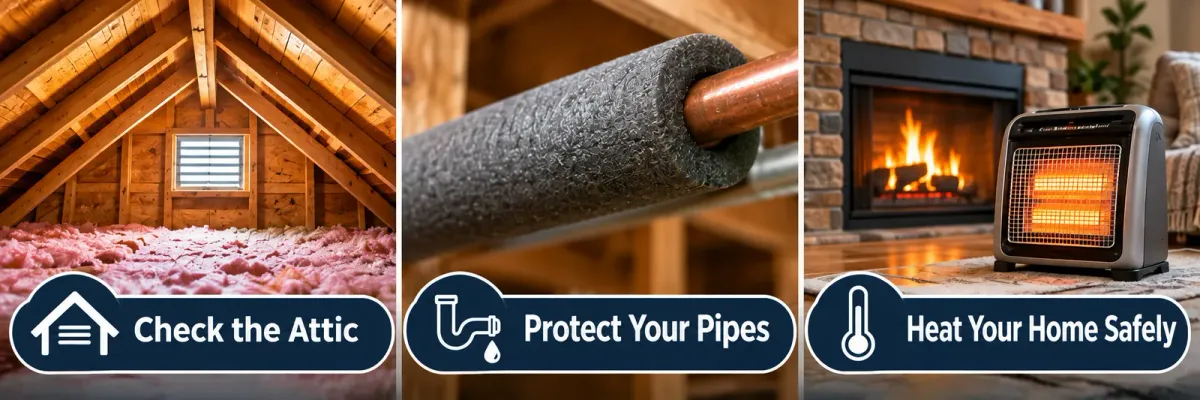
Your attic tells you a lot about your roof. Look for water stains, damp insulation, or daylight coming through the roof boards. Good insulation and ventilation also help prevent ice dams, because they keep the roof surface from warming unevenly.
Protect your pipes
Frozen pipes can burst and cause serious water damage, and homes in warmer states are often the most vulnerable because their plumbing isn't built for freezing weather.
- Insulate pipes in attics, crawl spaces, garages, and exterior walls.
- Know where your main water shut-off valve is, and make sure everyone in the house can find it.
- During a hard freeze, let faucets on exterior walls drip slightly and open cabinet doors under sinks so warm air can reach the pipes.
Heat your home safely
- Have your furnace or heating system checked before the cold sets in.
- Keep space heaters away from curtains, bedding, and furniture, and never leave them running unattended.
- Have chimneys and fireplaces inspected before regular use.
- Test smoke and carbon monoxide detectors, and replace batteries if needed.
The Last Item on Your Winter List: A Plan for Your Roof
Even a well-prepared home can take a hit. An ice-heavy limb, a winter windstorm, or a freeze that finds a weak spot can damage a roof in minutes, and winter is one of the hardest times to find help fast. Crews are busy, roads may be slick, and every day a roof stays open lets more cold and water in.
That's why Tarp Guard members have a plan in place before winter weather arrives.
Tarp Guard is a membership that keeps homeowners covered before roof damage happens. If your roof is damaged by ice, snow, wind, a fallen limb, or another unexpected event, you can request Priority Dispatch, which gives members priority access to our network of local certified partners for temporary emergency roof protection. A professional silver tarp, properly secured, helps keep water and cold air out while you arrange permanent repairs on your own timeline.
Your roof is fine today. That's exactly when you should have a plan.
Be Prepared. Stay Protected.™