
Tarp Guard journal
When Heavy Rain Hits Home: Lessons From the Flooding in Colorado, Arizona and Florida
11/4/2026
When Heavy Rain Hits Home: Lessons From the Flooding in Colorado, Arizona and Florida
Nov 3, 2026 · @Tarp Guard
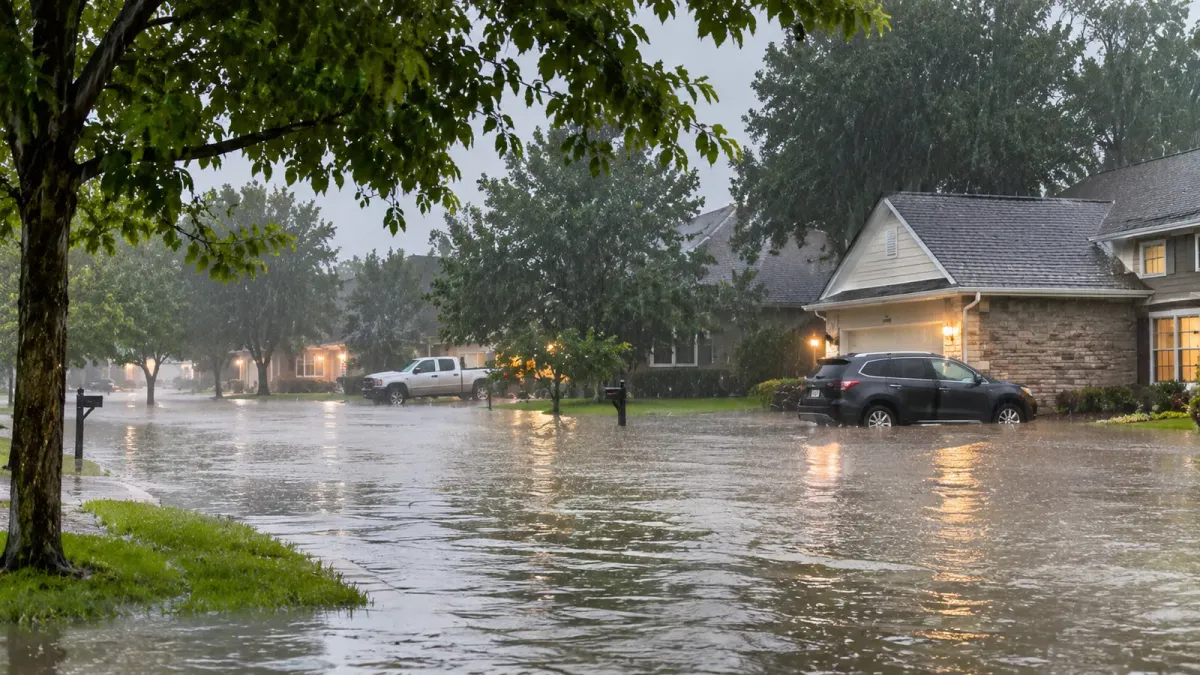
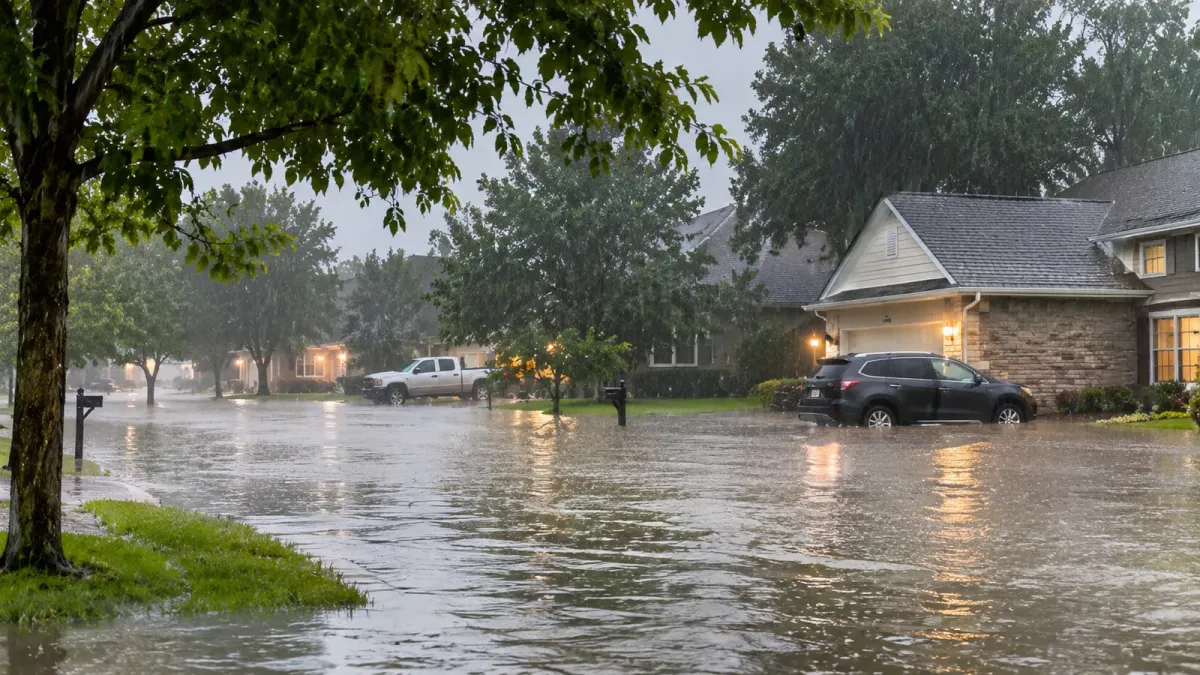
The start of November has been rough for a lot of homeowners in Colorado, Arizona and Florida. In southwest Colorado, families in Pagosa Springs and nearby communities are still recovering after rivers rose to levels people there had never seen. In Arizona, a rare run of severe damage left behind flooding, hail damage, and tornado damage in places like Flagstaff, Mesa, and Heber-Overgaard. And along Florida's Space Coast, Palm Bay residents faced coastal flood warnings and high winds calling it a 1 in 1000 year damage.
Our thoughts are with every family cleaning up, drying out, or still waiting to get back home.
These events look different from place to place, but they share one lesson: water finds its way in, from the ground up and from the roof down. Here's a look at what happened, how heavy rain and damage affect your home, and practical steps you can take now.
What Happened
Southwest Colorado
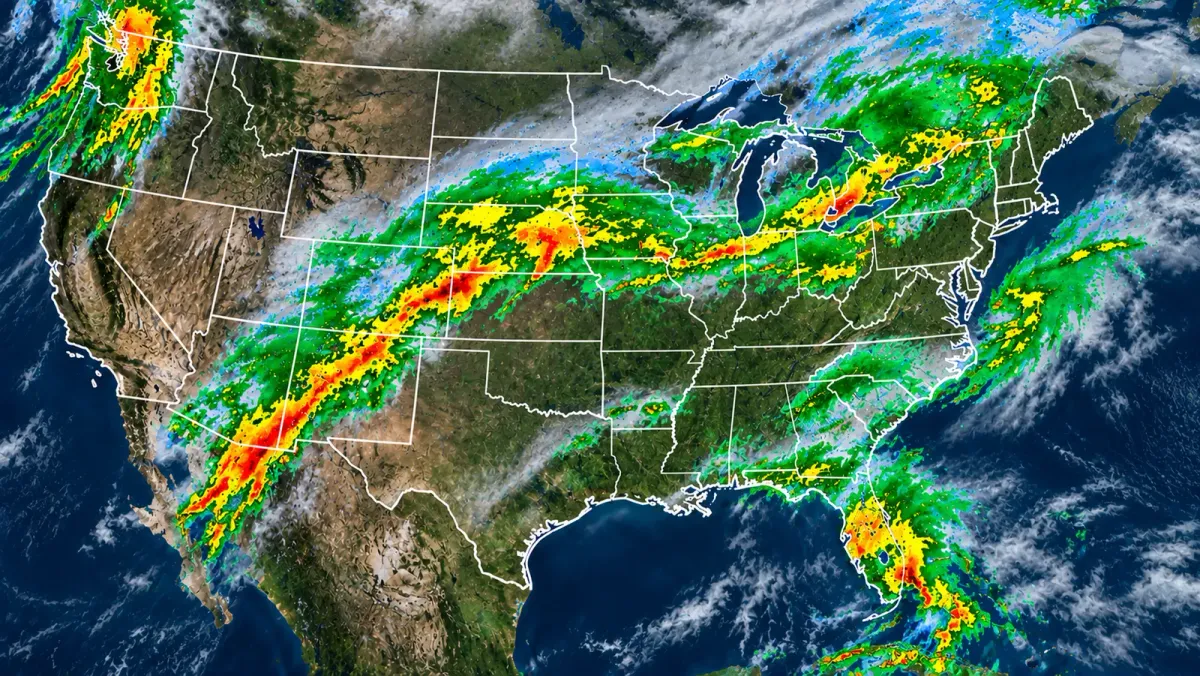
After two months of heavy rain ended a summer drought in the Four Corners region, already-soaked ground had nowhere left to put the water. On October 22 and 23, about 100 Colorado residents were evacuated, and many more were stranded in their homes by rising water. Governor Jared Polis issued a disaster declaration for 10 counties and activated the Colorado National Guard, later adding Conejos County.
In Pagosa Springs, more than 5 inches of rain fell, and the San Juan River crested at 15 feet. That was about 3 feet higher than the 100-year flood the same river saw just a year earlier. The Archuleta County sheriff called the amount of water unprecedented. Several major highways, including the stretch of U.S. 550 between Silverton and Ouray known as the Million Dollar Highway, were closed by damage.
Arizona
Arizona's damage hit in waves. Between October 20 and 22, a powerful low-pressure system brought several rounds of severe weather across central and eastern Arizona. The National Weather Service called it the state's most significant severe weather event since October 2010, and Arizona saw its first tornado watch in 15 years.
The damage came from every direction. Golf ball-size hail hit roofs, broke windows, and dented cars across northern and central Arizona. Strong winds brought trees down onto homes, walls, and carports in Flagstaff and Mesa. The National Weather Service confirmed two EF-1 tornadoes, and a likely tornado damaged 20 to 30 homes in Heber-Overgaard, where Navajo County declared an emergency. Flood warnings followed in northern Arizona as the same system moved through.
Palm Bay, Florida
On Florida's Space Coast, the National Weather Service office in Melbourne issued a wind advisory and a string of coastal flood warnings for the Palm Bay area in late October, warning of significant coastal flooding. For many Palm Bay neighborhoods, high water is a familiar worry. Heavy rain in October 2025 flooded Jupiter Boulevard several feet deep in places, and firefighters used a high-water truck to help drivers out of stranded cars.
Water From Below vs. Water From Above
When people hear "flooding," they picture rising water: rivers over their banks, streets turned into streams, water coming in under the door. That's real, and it's dangerous. Protecting your home from it takes things like drainage, sandbags, elevation, and flood insurance, and nothing on your roof will stop it.
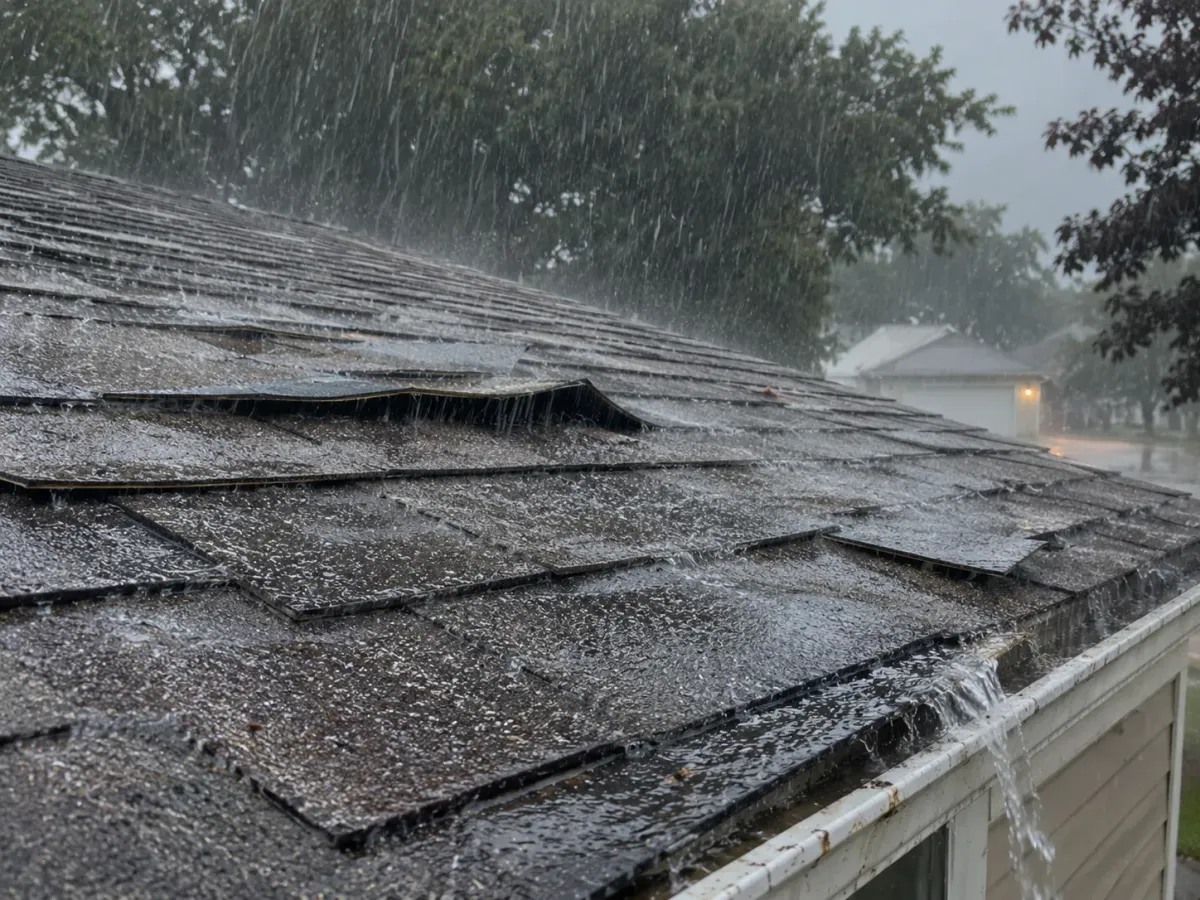
But damage like these also bring a second kind of water damage that's easier to overlook: water coming in from above.
- Hail can crack or bruise shingles, opening small gaps you can't see from the ground.
- High winds can lift shingles or peel back sections of roofing.
- Falling trees and limbs can punch straight through a roof, as many Arizona homeowners saw.
- Days of steady rain find every weak spot, especially after a summer of heat and sun has dried roofing materials out.
Once water gets through the roof, it soaks insulation, stains ceilings, and works its way into walls and floors. And unlike a flooded street, it can keep happening with every rain until the opening is covered.
That's where temporary roof protection comes in. A properly installed tarp won't hold back a rising river, but it can keep the next damage from coming in through the roof while you sort out permanent repairs.
What Homeowners Can Do Now
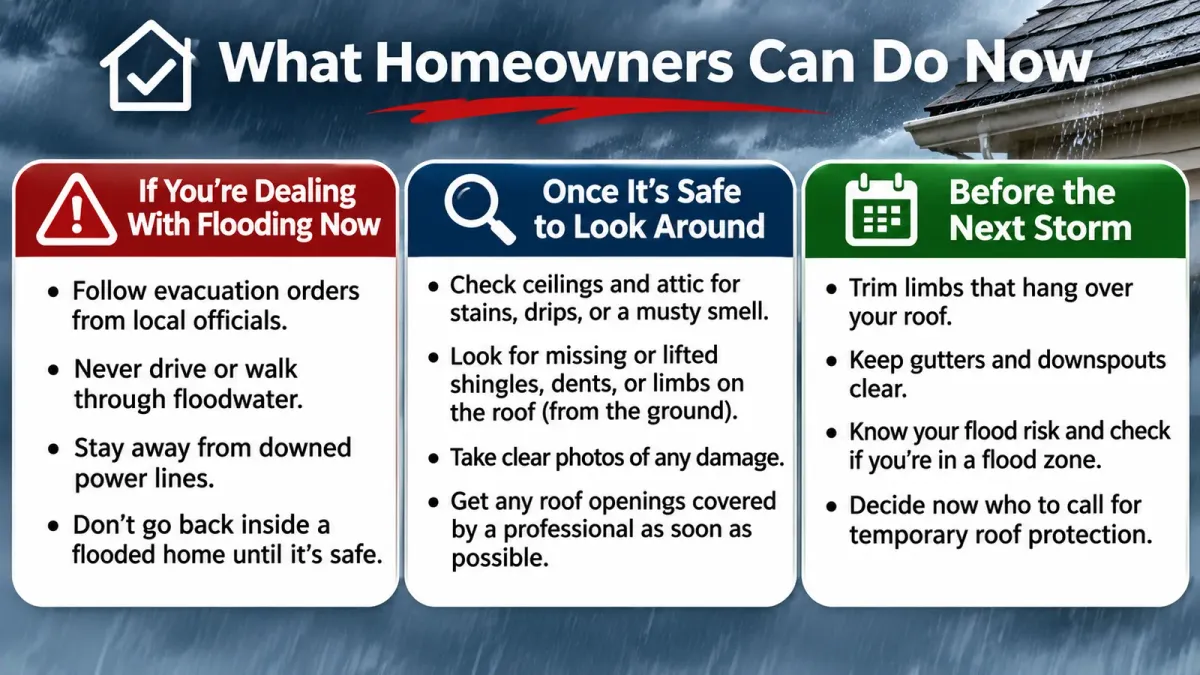
If you're dealing with flooding right now
- Follow evacuation orders from local officials, and don't wait if you're told to leave.
- Never drive or walk through floodwater. A few inches of moving water can sweep a car away. Turn around, don't drown.
- Stay away from downed power lines and standing water near electrical equipment.
- Don't go back inside a flooded home until officials say it's safe.
Once it's safe to look around
- Check your ceilings and attic for stains, drips, or a musty smell. Those are often the first signs of roof damage.
- From the ground, look for missing or lifted shingles, dents in gutters and vents, and limbs resting on the roof. Don't climb onto a wet or damaged roof yourself.
- Take clear photos of any damage, inside and out, before anything is moved or covered.
- Get any openings in the roof covered by a professional as soon as you can, so the next rain doesn't make things worse.
Before the next damage occurs
- Trim limbs that hang over your roof.
- Keep gutters and downspouts clear so water drains away from your home.
- Know your flood risk, and find out whether your area is in a flood zone.
- Decide now who you'll call for temporary roof protection, so you aren't searching for help in the middle of a damage.
Having a Plan Before the Next Damage Occurs
No one can stop a river from rising. But when a damage hits, your roof is your first line of defense, and it’s only as strong as its weakest spot. A small leak, a few loose or damaged shingles, or worn flashing might not seem urgent on a calm day. Add heavy rain and strong wind, though, and those small problems can quickly turn into bigger ones. Having a plan in place can keep a bad day from getting worse.
Tarp Guard is a membership that helps homeowners prepare before roof damage happens. If wind, hail, a fallen limb, or damage occurs to your roof, members can request Priority Dispatch, which gives them priority access to our network of local certified partners for temporary emergency roof protection. It’s not flood protection or a permanent repair. It’s a professional way to help keep water from coming in through the roof while you focus on your family and plan what comes next.
**
**
When the unexpected happens, are you prepared?
Join NOW!
tarpguard.us
Sources
- Colorado Politics / AP: 100 Coloradans evacuated as flooding hammers Four Corners (Oct. 23, 2026)
- National Weather Service Phoenix: October 20-22, 2026 event summary
- AP via CP24: Violent Arizona damage bring possible tornado, toppled trees and golf ball-size hail
- Carrier Management: two EF-1 tornadoes in Arizona
- Karmactive: Heber-Overgaard tornado damage and Navajo County emergency
- Ventusky: NWS Melbourne alerts for Palm Bay, late October 2026
- Spectrum News 13: Jupiter Boulevard flooding in Palm Bay (Oct. 2025)