
Tarp Guard journal
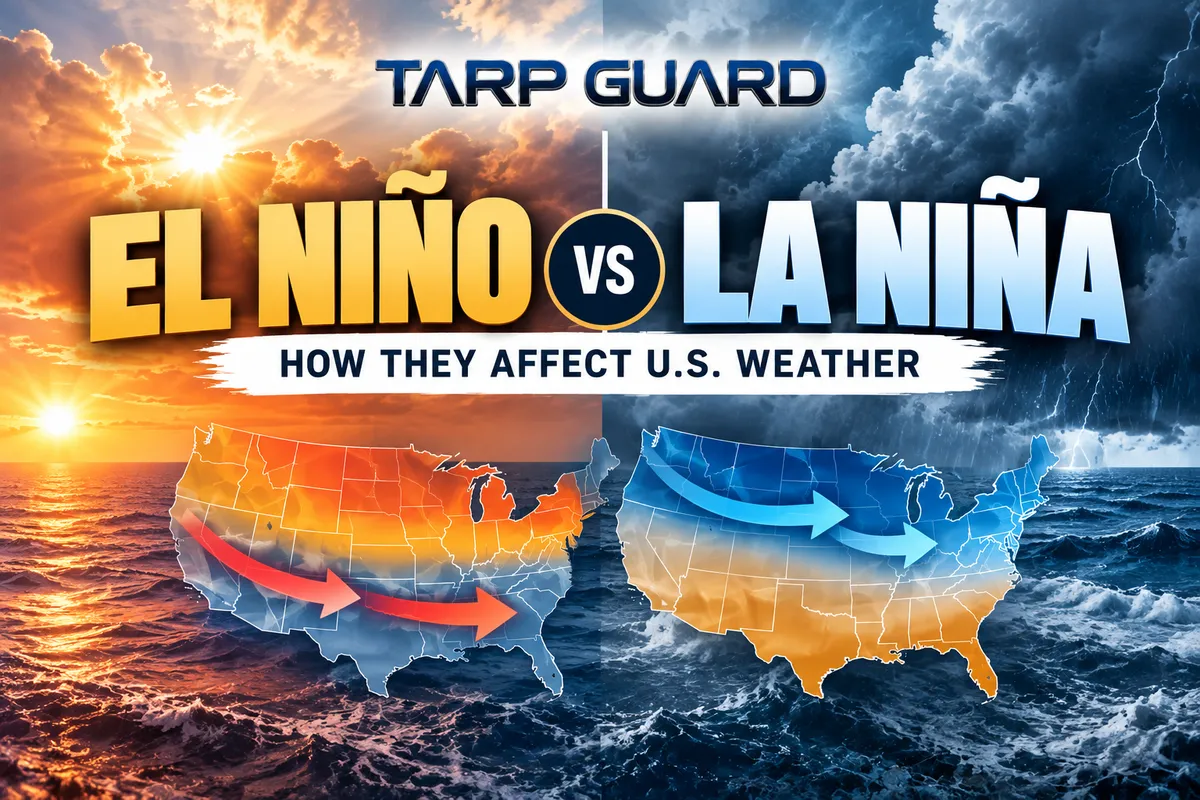
El Niño vs. La Niña: What Do They Mean for Your Weather?
10/5/2026
You may hear the terms El Niño and La Niña mentioned in weather forecasts, especially as meteorologists look ahead to winter or severe-weather seasons. But what do they actually mean—and why should homeowners care?
Both are large-scale climate patterns that begin in the tropical Pacific Ocean. Although they occur thousands of miles away from many U.S. homes, they can influence temperature, rainfall and damage patterns across the country.
Understanding the difference can help homeowners know what kinds of weather their region may be more likely to experience—and why being prepared before severe weather arrives is so important.
What Is El Niño?
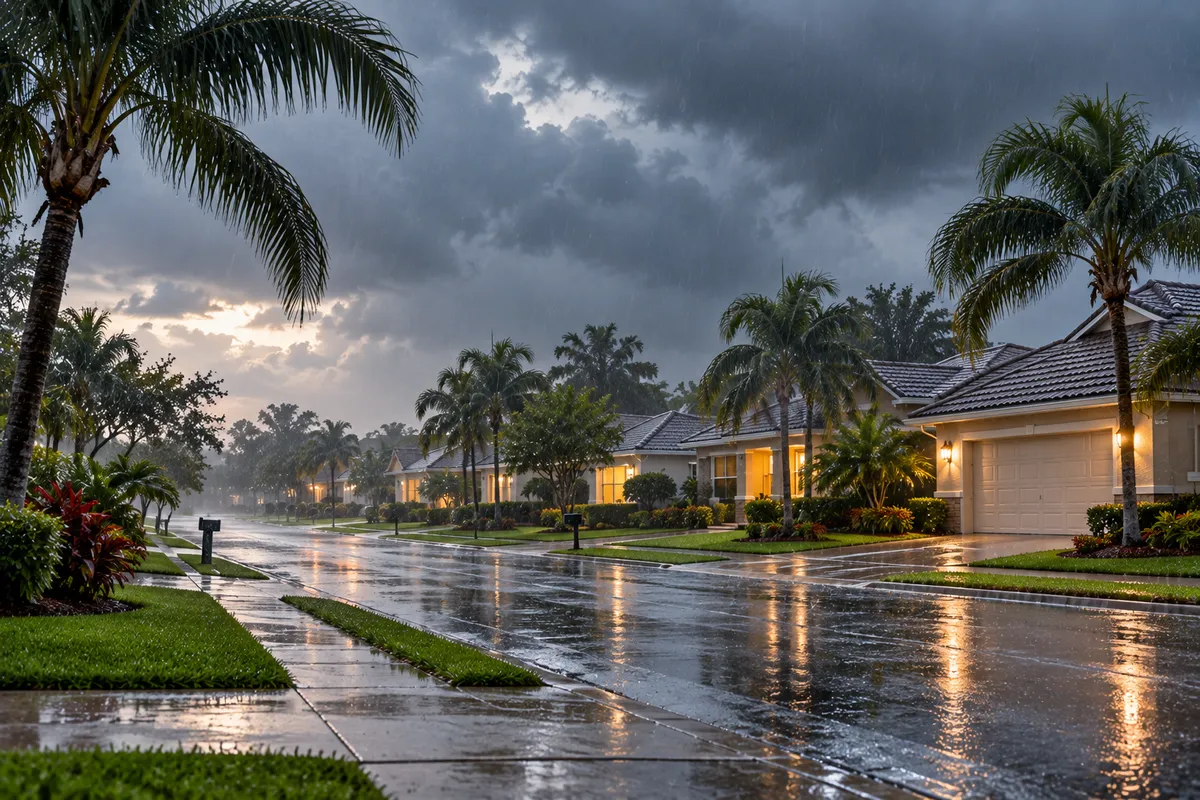
El Niño occurs when surface waters in the central and eastern tropical Pacific Ocean become warmer than average.
Those warmer waters can alter atmospheric circulation and influence weather patterns far beyond the Pacific.
During an El Niño winter, the United States often sees:
- Wetter conditions across parts of the southern U.S.
- Warmer conditions across portions of the northern U.S.
- Changes in the location and intensity of the jet stream
- Increased chances of damage and heavy rainfall in some southern areas
For homeowners, wetter weather can mean more than a few inconvenient rainy days. Repeated rainfall and severe damage can expose existing weaknesses in a roof, including damaged shingles, flashing problems and small openings that may allow water into the home.
What Is La Niña?
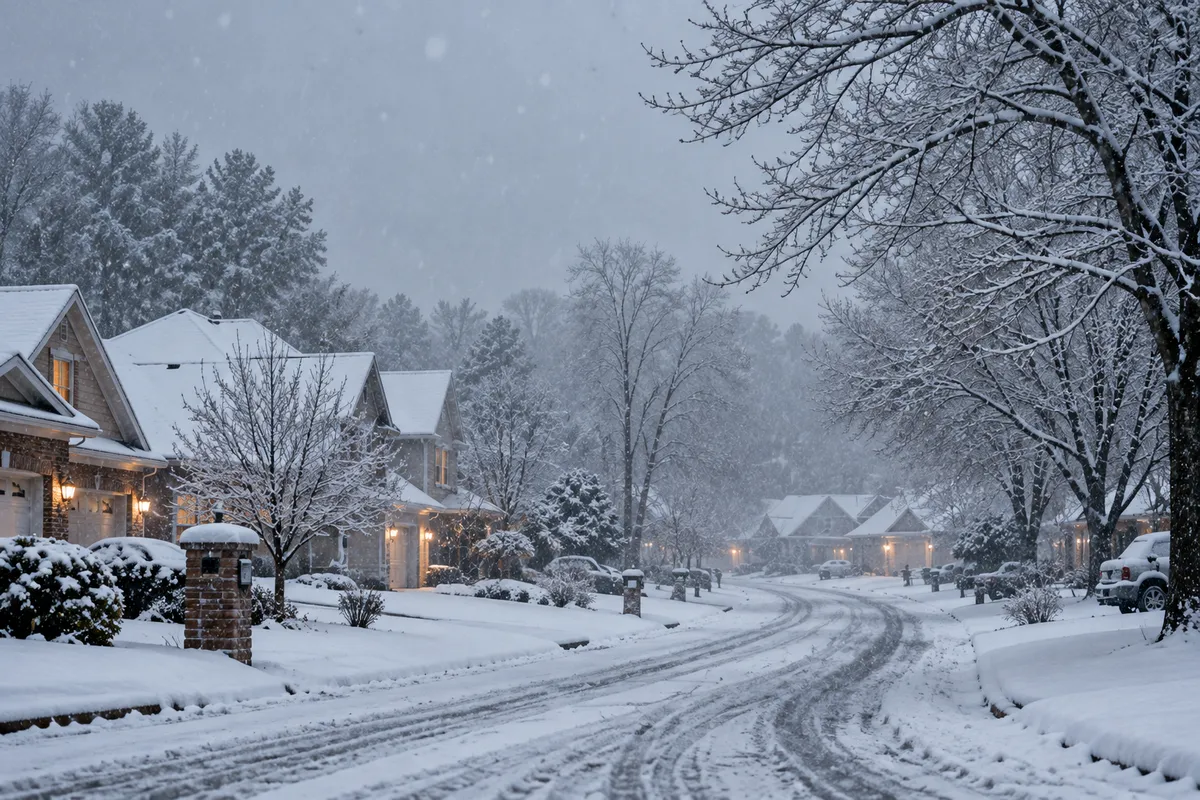
La Niña is essentially the opposite phase. It occurs when surface waters in the central and eastern tropical Pacific become cooler than average.
This shift can also change atmospheric circulation and influence weather throughout the United States.
During a La Niña winter, typical patterns can include:
- Drier and warmer conditions across portions of the southern U.S.
- Cooler and wetter conditions across the Pacific Northwest
- Increased precipitation across portions of the northern U.S.
- Changes in damage tracks across the country
These are broad seasonal tendencies rather than guarantees. One La Niña year can look very different from another, and individual damage events can still occur outside the areas where certain conditions are considered more likely.
El Niño vs. La Niña at a Glance
The easiest way to remember the difference is:
El Niño = warmer Pacific waters
La Niña = cooler Pacific waters
Those changes in ocean temperatures influence the atmosphere above them, which can ultimately shift weather patterns across the United States.
Neither one automatically means your area will experience a specific damage event—or even a particularly severe season. They simply influence the odds of certain weather patterns developing.
Why Does This Matter for Your Roof?
Whether it's an El Niño year, a La Niña year or somewhere in between, severe weather can take a toll on a home's roof.
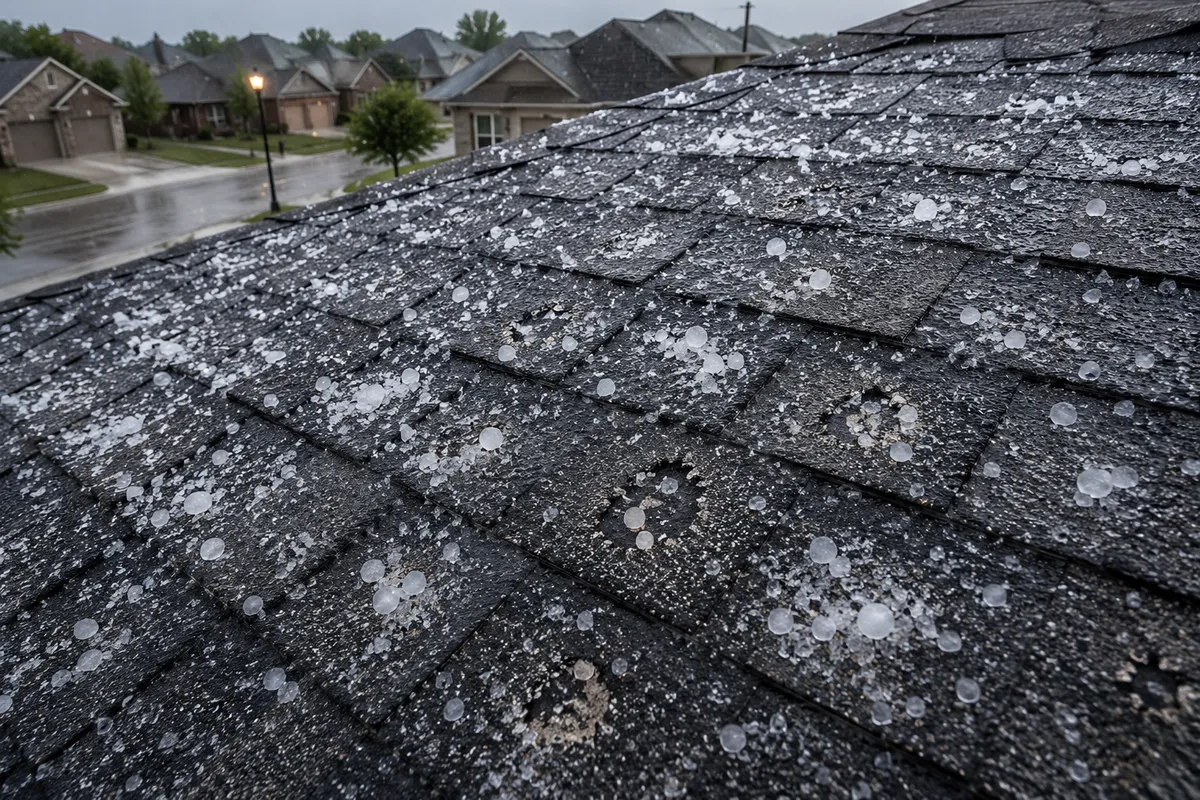
Heavy rain can expose leaks. Strong winds can loosen or remove shingles. Hail can damage roofing materials. Falling limbs and debris can cause sudden damage that leaves portions of the roof vulnerable to additional rain.
And roof damage isn't always obvious from the ground.
A roof may look relatively normal after damage occurs while still having lifted shingles, damaged flashing or small openings that allow moisture into the structure.
That's why homeowners shouldn't wait until water is dripping from the ceiling to start thinking about what they'll do after roof damage.
Severe Weather Is Unpredictable. Your Plan Doesn't Have to Be.
You can't control whether your area experiences an El Niño or La Niña pattern. You can't control where the next instance of severe damage occurs or whether high winds send a tree limb onto your roof.
But you can have a plan before it happens.
Tarp Guard is a homeowner membership program designed to help homeowners prepare for unexpected roof damage. When damage occurs, members can connect with vetted local Certified Partners for temporary roof protection.
Instead of waiting until after damage occurs to start searching for someone to call, you can already have a plan in place.
Prepare before severe weather strikes.
Learn more about becoming a Tarp Guard member at TarpGuard.us.