
Tarp Guard journal
What Proper Roof Protection Looks Like (and Why It Matters)
10/20/2026
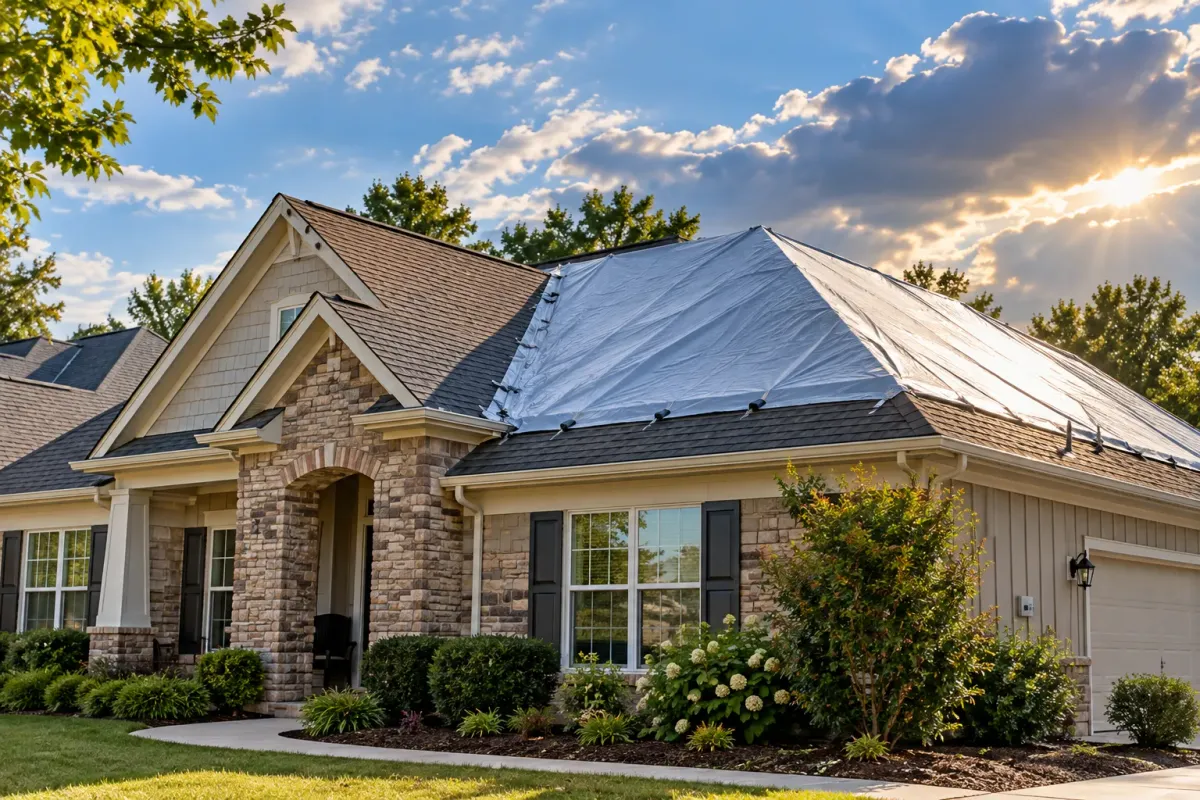
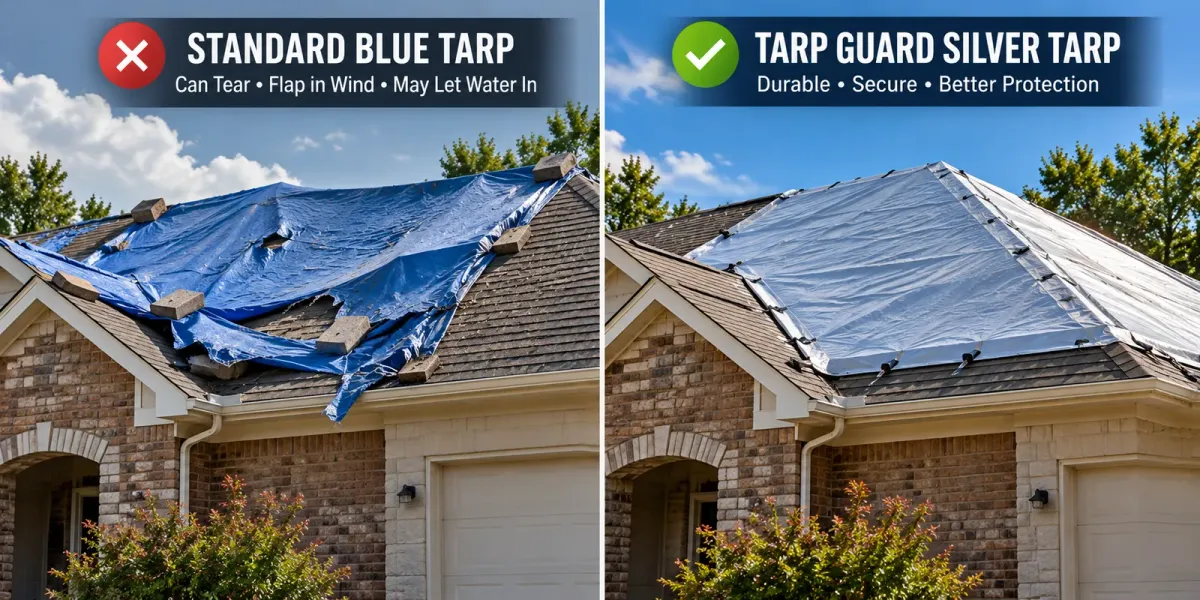
Most homeowners have seen it after damage occurs: a blue tarp flapping on a neighbor's roof, held down by a few bricks, already starting to tear. It's meant to help, but a poorly installed tarp can let water in, blow off in the next gust, and leave the home more exposed than before.
When wind, hail, or a fallen limb damages your roof, the first job isn't the permanent repair. It's keeping water out of your home until that repair can happen. Done right, temporary roof protection protects your ceilings, insulation, floors, and the things inside your home that can't be replaced.
So what does proper roof protection actually look like? Here's what to know, and how Tarp Guard helps members get it in place without the guesswork.
What Proper Roof Protection Looks Like
A good temporary roof cover has a few things in common, no matter where you live or what caused the damage.
1. Heavy-duty material built to hold up
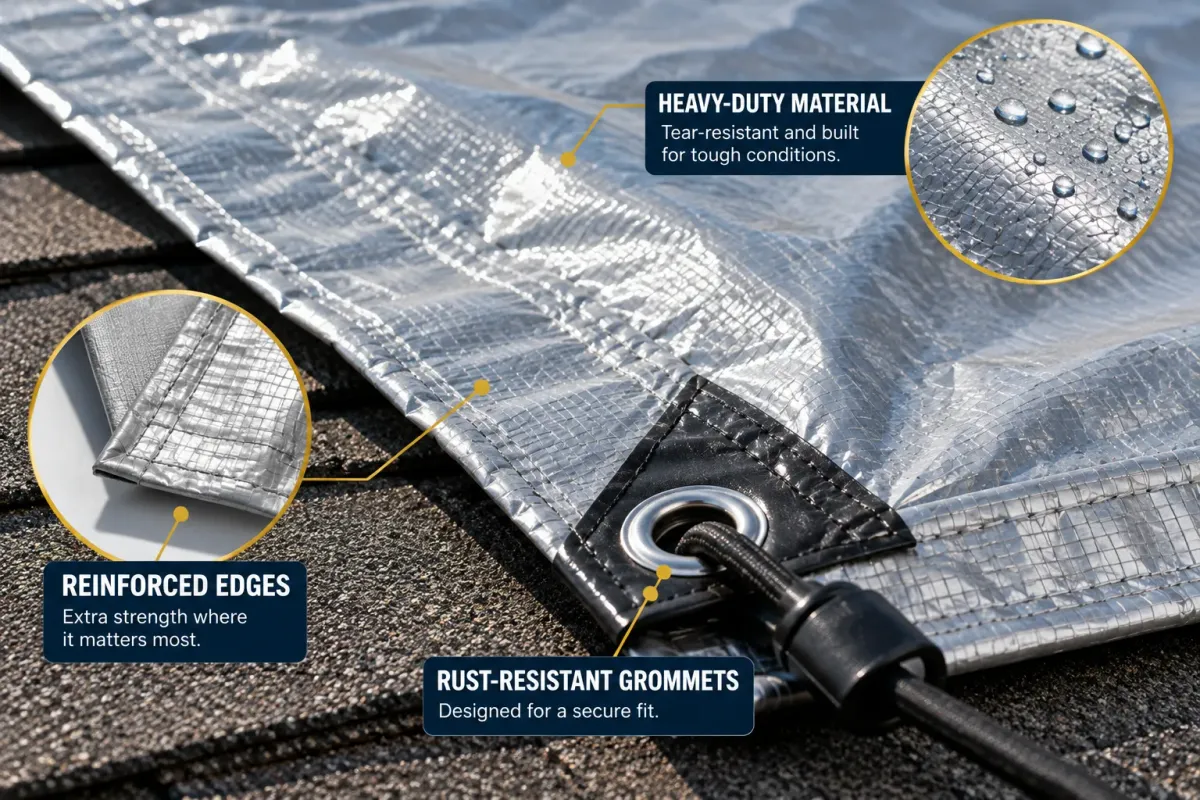
Temporary doesn't have to mean flimsy. Professional-grade tarps are thicker and reinforced at the edges, and they're made to stand up to sun, wind, and rain while you wait for repairs. Tarp Guard's certified partners use silver tarps, which hold up better under UV exposure and look cleaner on your home than the thin tarps many people grab at the hardware store.
2. Coverage beyond the damaged area
Water doesn't stay in one spot. A proper cover extends well past the visible damage on every side. Where possible, it runs up and over the roof ridge so rain flows off the tarp instead of underneath it.
3. Secured to stay put
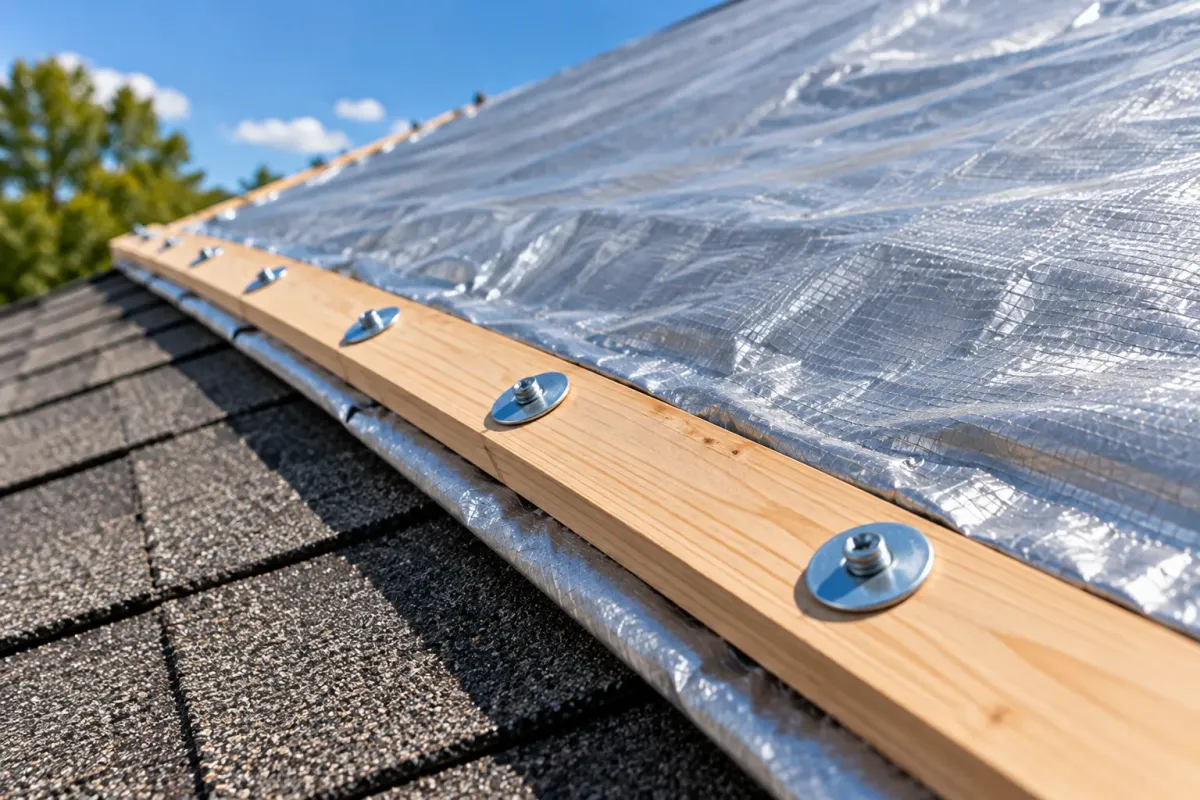
A tarp held down only by bricks or sandbags can shift or blow away in the next damage. Proper installation secures the tarp firmly along its edges, typically with wood strips fastened through the tarp, so wind can't get underneath and lift it.
4. Tight, smooth, and shedding water
A well-installed tarp lies flat, with no loose flaps or pockets where water can pool. If you can see it billowing in the wind, it isn't doing its job.
5. Documented from start to finish
Proper protection includes clear photos of the damage before the cover goes on and of the finished work afterward. That record helps you when you talk with a roofer about permanent repairs, and it gives you a clear picture of what was done.
Signs Your Roof Protection Isn't Doing Its Job
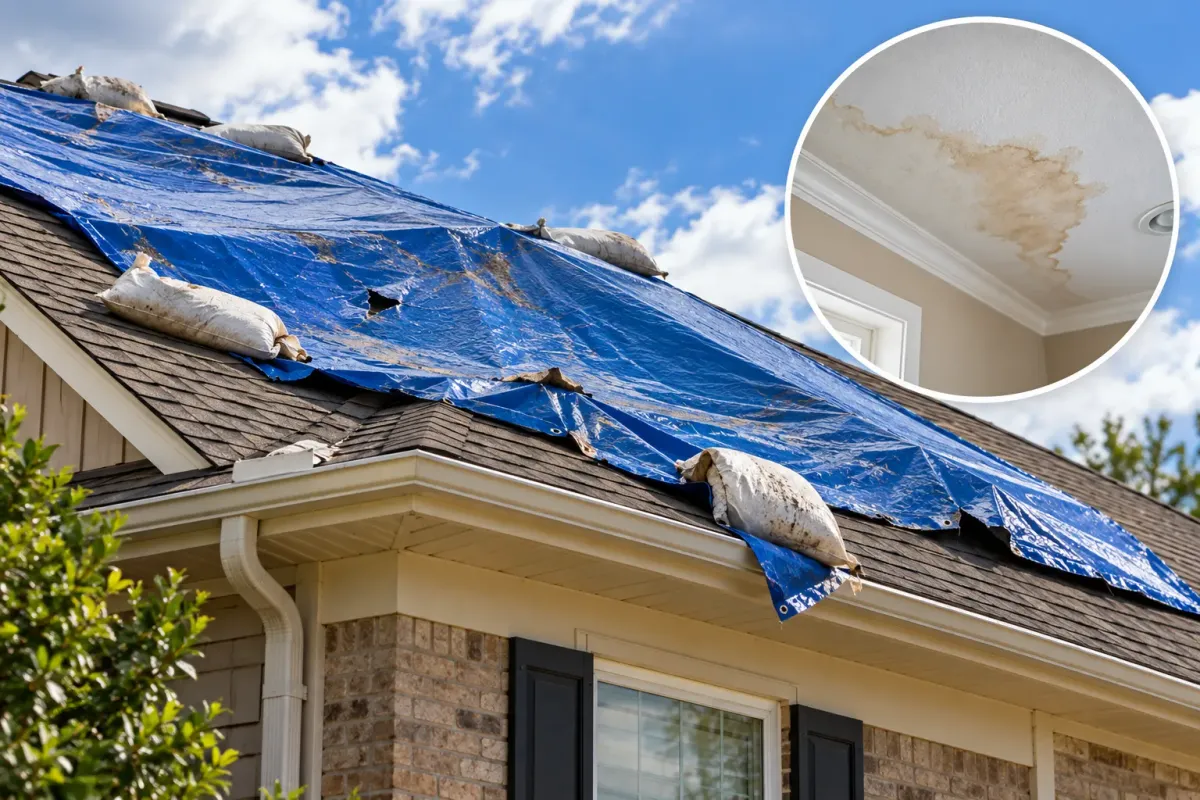
If you already have a tarp on your roof, or you're looking at a neighbor's, here's what to watch for:
- Thin, lightweight tarps that are fading, cracking, or tearing after a few days in the sun
- Bricks, tires, or sandbags as the only anchors, which can slide off or become hazards in high wind
- Edges lifting or flapping, which lets wind and water get underneath
- Coverage that stops right at the damage, leaving gaps where water can still run in
- New stains, drips, or a musty smell inside after the tarp went on
Any of these is a sign the cover may need to be reinstalled or replaced. A failing tarp can turn a small repair into a much bigger one.
Why This Is a Job for a Professional
Climbing onto a damaged, wet roof is one of the riskiest things a homeowner can do after damage occurs. Shingles may be loose, decking may be weak, and wind can catch a large tarp like a sail. Even experienced DIYers can get hurt.
That's why Tarp Guard works with certified partners: independent, local professionals who meet our requirements before they join the network. Those requirements include business licensing, liability insurance, background checks, and Tarp Guard training on our tarp and service standards. They have the equipment, the experience, and the safety practices to do the job right.
Temporary protection is step one. Once your home is covered, you can take the time you need to choose a roofer for the permanent repair, instead of making a rushed decision while water is coming through the ceiling.
How Tarp Guard Makes Proper Protection Simple
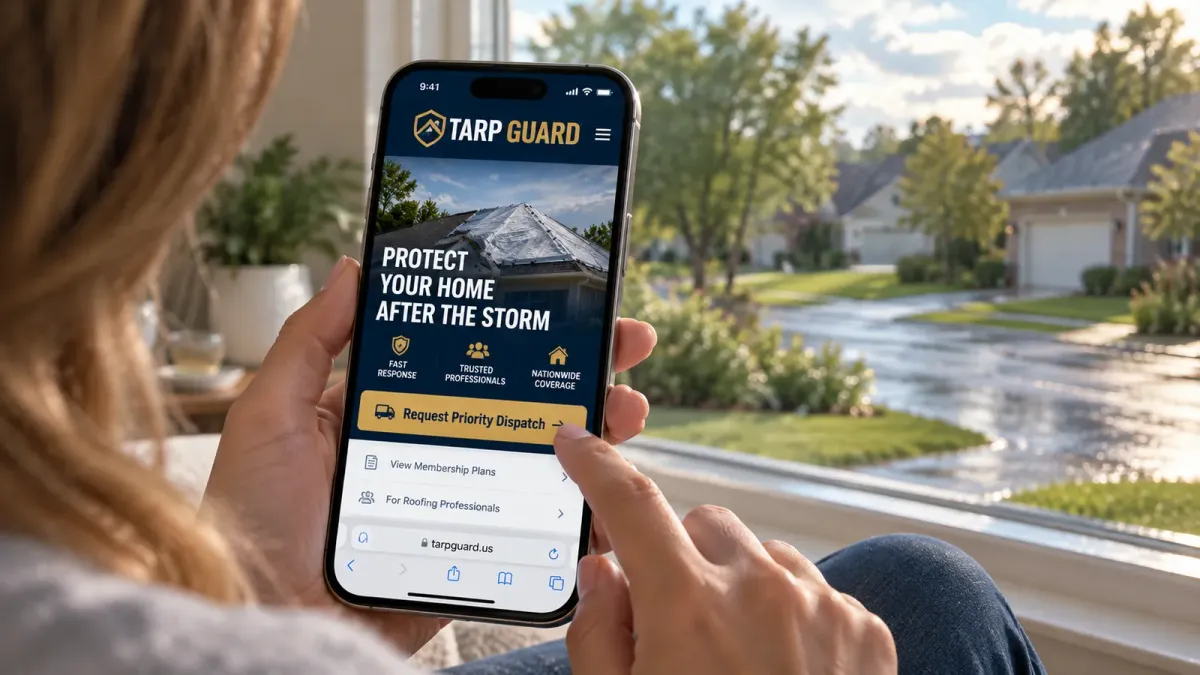
Damage is stressful enough. Figuring out what to do next shouldn't be.
Tarp Guard is a membership that puts a plan in place before your roof is ever damaged. Here's how it works:
- Join before you need it. Choose a membership plan for your home. Your membership becomes active 30 days after you sign up.
- Request Priority Dispatch when damage happens. Whether it's wind, hail, a fallen limb, or another unexpected event, you start your request online, any time of day or night.
- A local certified partner is dispatched. Members get priority access to our network of certified partners, ahead of non-members.
- Your home gets proper temporary protection. Silver tarps, secured and sealed to our standards, with photos of the damage and the finished work.
- You arrange the permanent repair on your schedule. Tarp Guard isn't a roofing company, so you're free to choose whichever roofer you trust.
No searching for help in the middle of a damage. No wondering who's reputable. No hardware-store tarp held down with bricks.
Your roof is fine today. That's exactly when you should have a plan.
When the unexpected happens, are you prepared?
Join Tarp Guard today and Be Protection Ready.