

Tarp Guard journal
How Much Water Damage Can a Small Roof Leak Cause?
10/2/2026
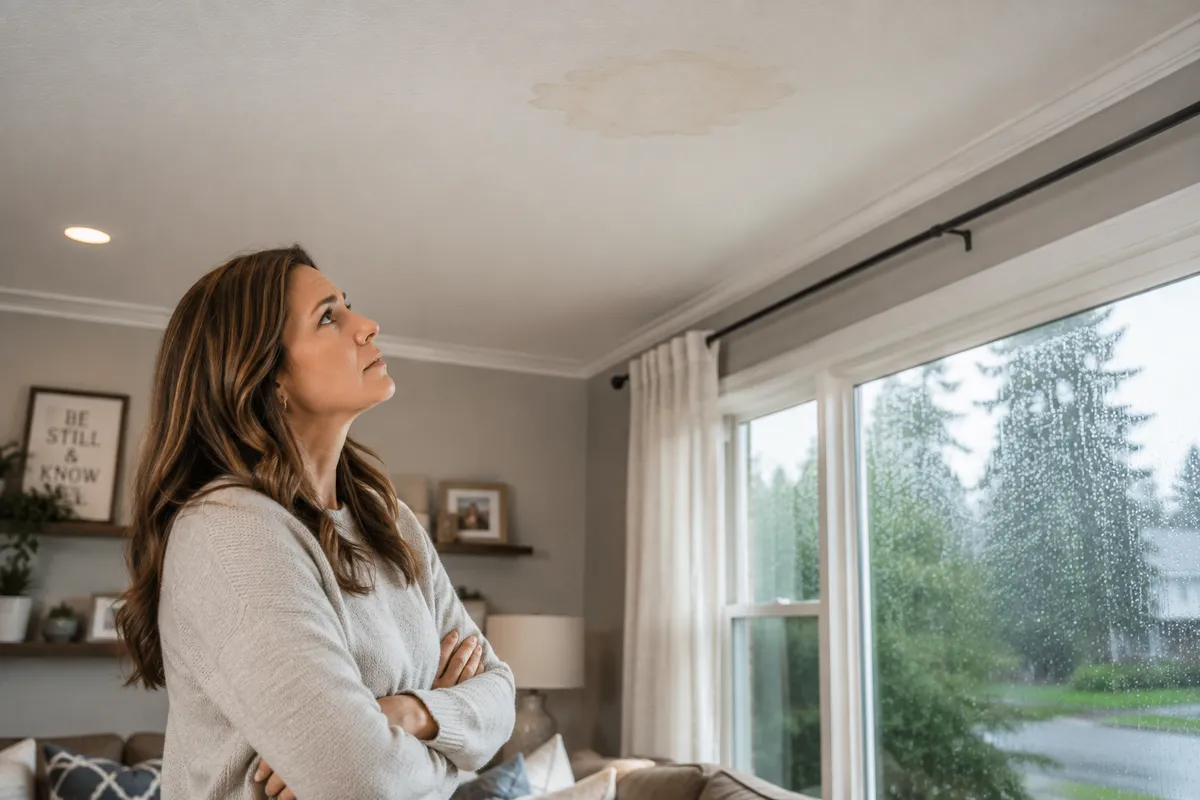
It's just a tiny drip.Maybe you've noticed a small water stain on the ceiling after a heavy rain. Maybe there's a slight drip into a bucket in the attic. Or perhaps you found a few missing shingles after damage occurs, but everything inside still seems dry.It's easy to assume that a small roof leak can wait until next month—or even next season.Unfortunately, that's one of the most expensive assumptions a homeowner can make.Water has a way of finding places it doesn't belong. What starts as a small opening in your roof can quietly spread through insulation, drywall, framing, flooring, and electrical systems long before you see the full extent of the damage.Let's take a closer look at what can happen when a seemingly minor roof leak is ignored.
**
A Roof Leak Is Usually Bigger Than It Looks**
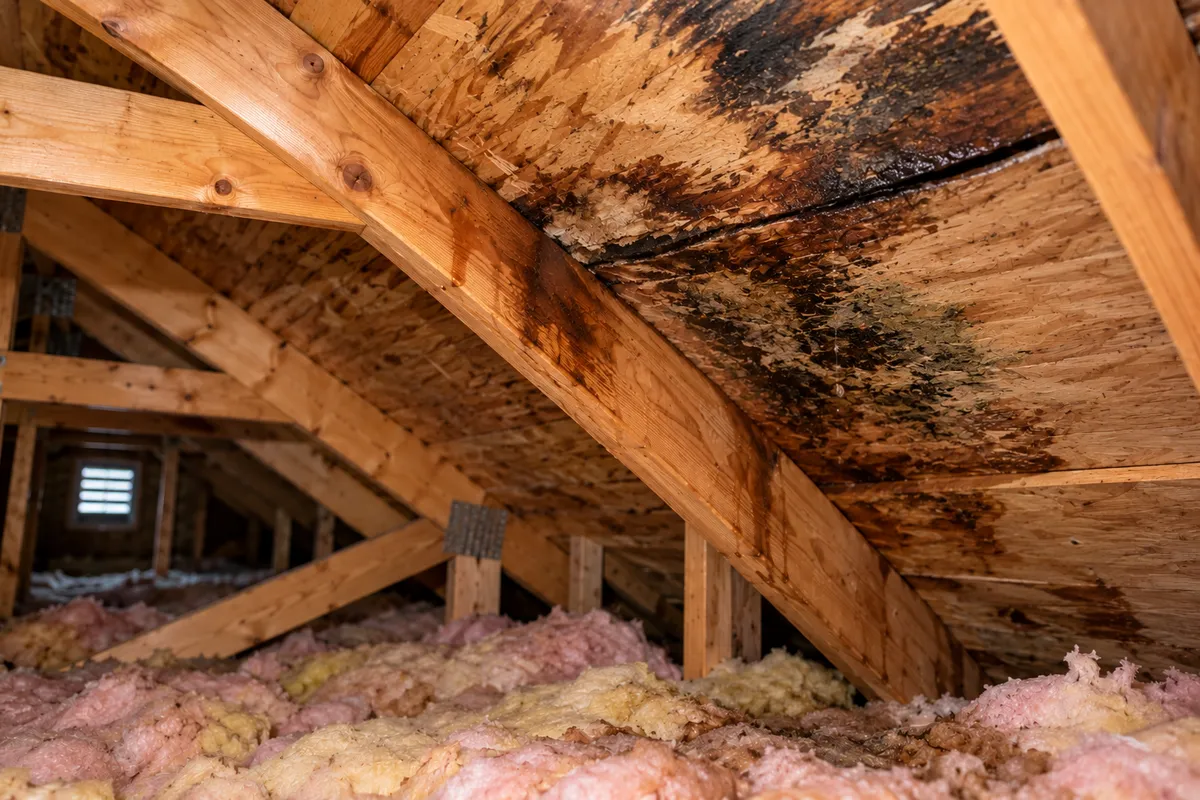
One of the biggest misconceptions homeowners have is that the location of the drip is the location of the leak.In reality, water often travels.Rainwater can enter through a damaged section of the roof, follow roof decking or framing, and eventually appear several feet away inside your home.That means the small stain on your ceiling may only be the visible symptom of a much larger hidden problem.By the time water becomes noticeable indoors, it may have already saturated materials you can't see.
**
**
What Happens When Water Gets Inside Your Home?Your home is built in layers, and water doesn't stop with the ceiling.Once it enters, it can affect multiple parts of your home.1. Ceiling DamageThe first sign many homeowners notice is a brown or yellow stain on the ceiling.As moisture continues to build:Paint begins to bubble.Drywall softens.Ceiling texture starts peeling.Sagging develops.Sections of drywall can eventually collapse.Even a small leak can require replacing drywall and repainting an entire room.2. Insulation Loses Its EffectivenessMost attic insulation works by trapping tiny pockets of air.When insulation becomes wet, it compresses and loses much of its insulating ability.This can lead to:Higher energy billsHot or cold spots inside the homeIncreased HVAC workloadLonger cooling and heating cyclesWet insulation often needs to be replaced rather than dried out.3. Mold Can Begin Growing QuicklyMold doesn't need standing water.It simply needs moisture.When building materials remain damp, mold may begin developing within 24 to 48 hours under favorable conditions.Common locations include:Behind drywallInside insulationAround roof framingCeiling cavitiesHVAC systemsBesides damaging your home, mold can create unpleasant odors and require specialized remediation if it spreads extensively.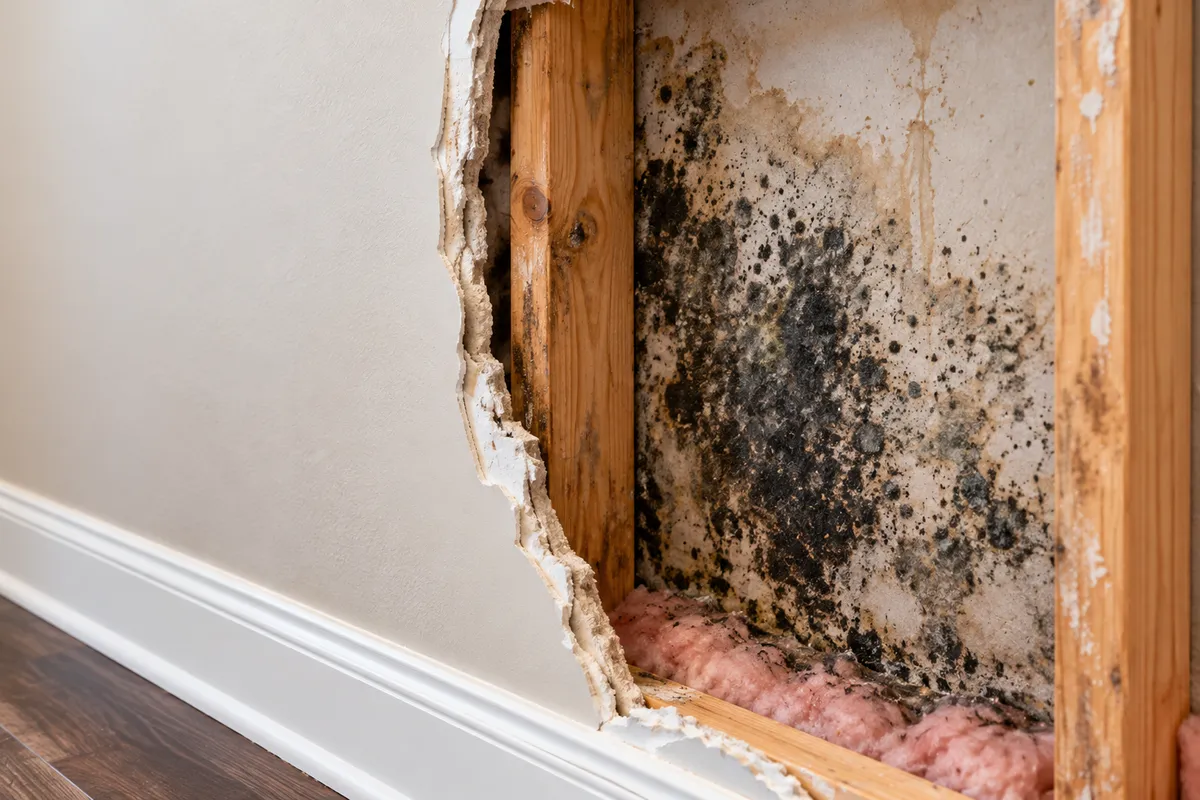
4. Wood Begins to WeakenRoof framing and roof decking are designed to remain dry.Repeated exposure to moisture can cause wood to:WarpSwellRotLose structural strengthThe longer water is allowed to enter, the more extensive the repairs may become.5. Electrical Hazards IncreaseWater and electricity are never a good combination.A roof leak may eventually reach:Light fixturesCeiling fansElectrical wiringBreaker boxesOutletsIf water is approaching electrical components, avoid touching affected fixtures and contact a qualified professional if there are safety concerns.6. Flooring and Furniture Can Be DamagedWater doesn't stop once it reaches the floor.It can damage:Hardwood flooringCarpetTile underlaymentArea rugsFurnitureElectronicsFamily photosImportant documentsReplacing personal belongings often adds significantly to the overall cost of a leak.**Why Damage Makes Roof Leaks Worse. Damage don't always create dramatic holes in a roof.Sometimes they simply loosen:ShinglesFlashingRidge capsRoof ventsPipe bootsEverything may look fine from the ground.Then the next rainfall allows water to enter through a small opening that wasn't there before.That's why it's a good idea to inspect your home after severe weather—even if no immediate leak is visible.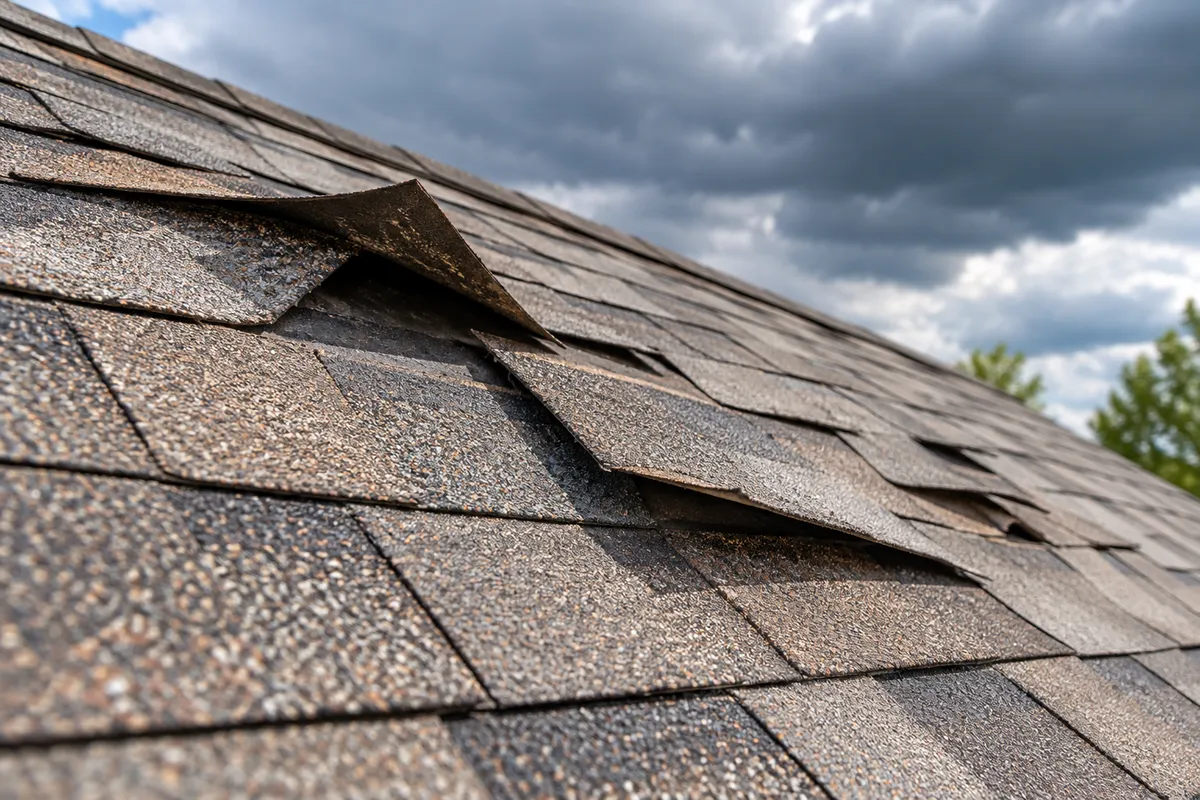
**
The Hidden Cost of WaitingMany homeowners delay repairs because:"I'll deal with it next month.""It only leaks when it rains hard.""It's just one small stain."Unfortunately, water damage rarely stays the same.Instead, it often gets progressively worse with each rainfall.What may have required a relatively simple repair early on can become a much larger restoration project if moisture continues entering the home.What Should You Do If You Discover a Roof Leak?If you notice a leak after damage occurs:Stay SafeNever climb onto a wet or damaged roof yourself.Damage may be more extensive than it appears.Protect Your BelongingsMove furniture, electronics, and valuables away from active leaks if it is safe to do so.Use buckets or towels to help catch dripping water.Document the DamageTake photos of:Interior damageWater stainsCeiling leaksDamaged belongingsRoof damage visible from the groundDocumentation can be helpful when communicating with your insurance company.Prevent Additional DamageOne of the most important steps is protecting the exposed area of the roof before additional rain arrives.Professional emergency roof tarping helps reduce additional water intrusion while permanent repairs are arranged.If you're a Tarp Guard member, you can quickly submit a service request through the Tarp Guard app or website. Tarp Guard connects homeowners with licensed local roofing professionals who can install an emergency roof tarp to help protect your home from further damage while you coordinate permanent repairs.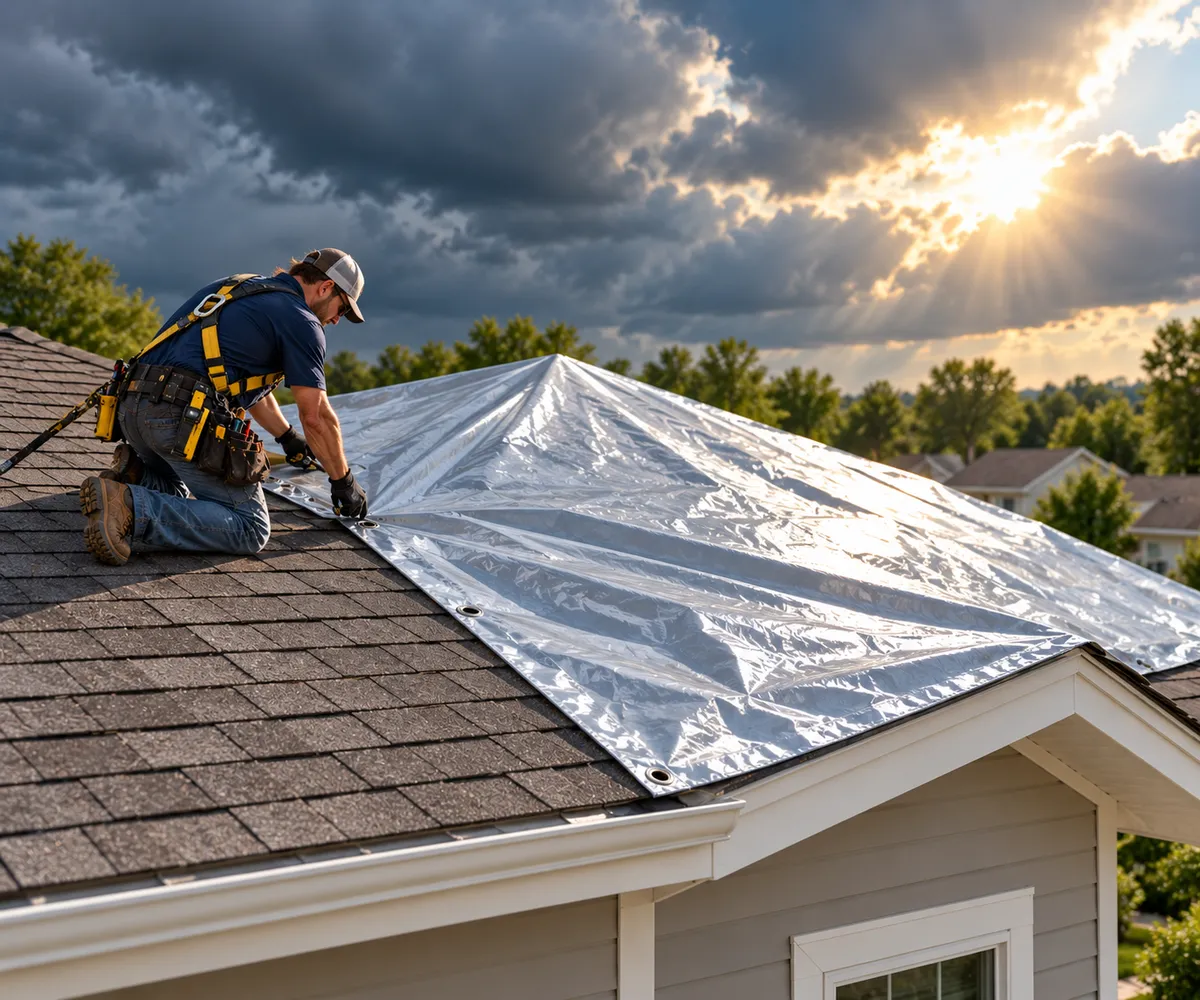
Why Fast Action Saves MoneyWater damage is often a chain reaction.One small opening can lead to:Ceiling repairsDrywall replacementMold remediationFlooring replacementInsulation replacementElectrical repairsStructural repairsPaintingFurniture replacementActing quickly may help reduce additional damage and keep repair costs from escalating.Protect Your Home Before a Small Leak Becomes a Big ProblemThe most expensive roof leaks often start as the smallest ones.A little water today can become damaged drywall, mold, ruined insulation, and costly repairs tomorrow.Tarp Guard was created to help homeowners act quickly after damage. Members can submit a request through the Tarp Guard app or website to be connected with licensed local roofing professionals for emergency roof tarping, helping reduce additional water intrusion while permanent roof repairs are arranged.When it comes to roof leaks, waiting is usually the most expensive option.