
Tarp Guard journal
What Should You Do After a Storm Damages Your Roof?
9/18/2026
When a major storm passes through your community, the first few hours afterward can feel overwhelming.
The wind has finally stopped. The rain is beginning to clear. You walk outside and see shingles in the yard, tree branches scattered across the property, or visible damage to your roof.
Then comes the question:
What do I do now?
Whether the damage was caused by a hurricane, tornado, hailstorm, high winds, or severe thunderstorm, knowing what to do next can help you protect your home and avoid making an already stressful situation even more difficult.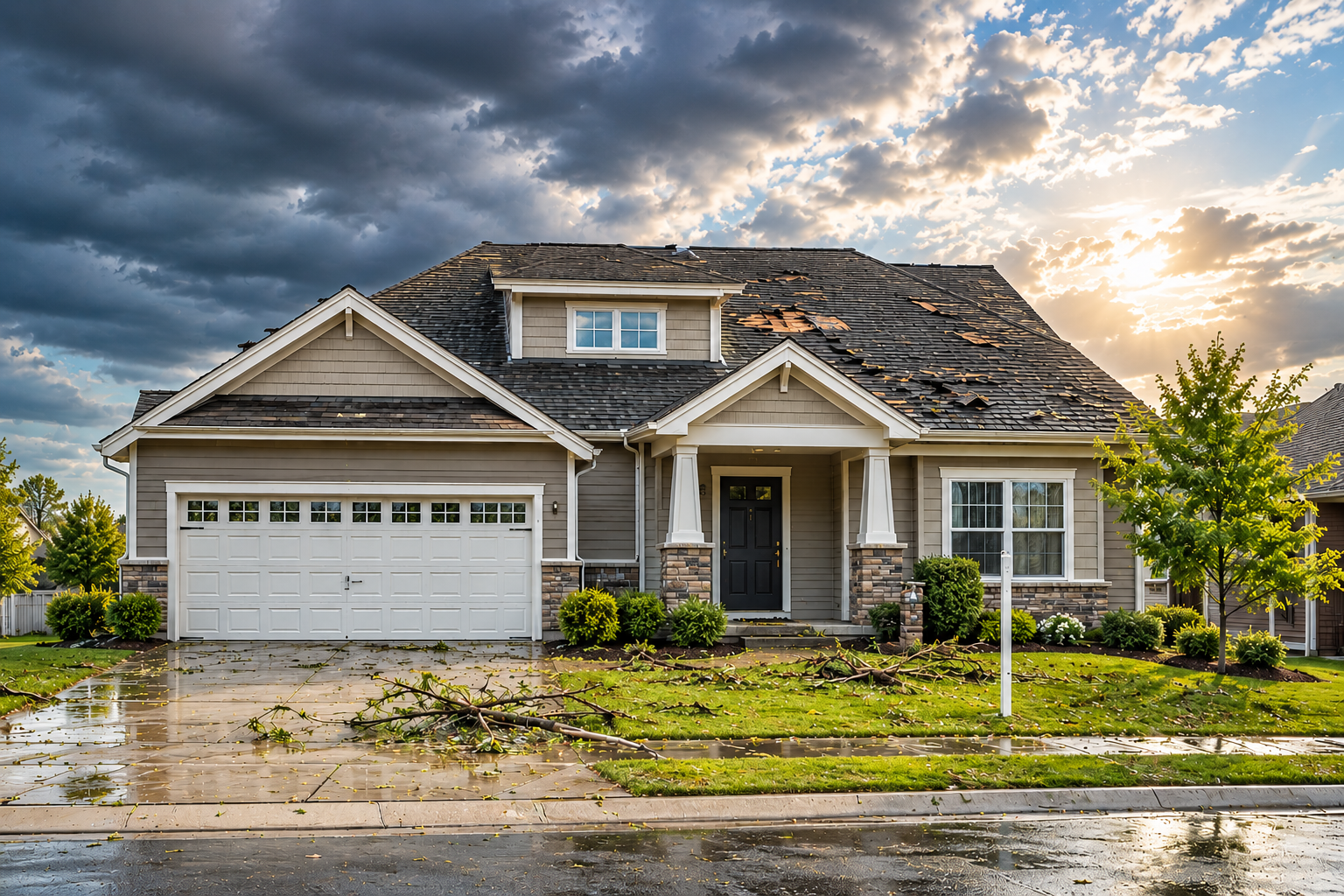 Here are the steps every homeowner should know.1. Put Safety FirstBefore worrying about your roof, make sure you and your family are safe.Storms can leave behind hazards that aren't immediately obvious, including downed power lines, broken glass, unstable trees, standing water, loose building materials, and structural damage.Avoid walking around severely damaged areas until you're confident it's safe to do so.And most importantly:Do not climb onto a storm-damaged roof.Damage can make sections of a roof unstable, and wet roofing materials can be extremely slippery. What looks like minor damage from the ground may be much more significant once you get closer.Leave roof access to trained professionals.2. Look for Signs of Roof Damage From the GroundOnce conditions are safe, visually inspect your home without climbing onto the roof.Some storm damage is obvious. Other signs can be surprisingly easy to miss.Look for things such as:Missing, lifted, or damaged shinglesRoofing materials or shingles in the yardFallen branches or debris on the roofDamaged gutters or flashingVisible holes or exposed areasSagging sections of the roofWater stains on ceilings or wallsWater entering the attic or living areasEven if the roof appears intact from the ground, high winds and hail can sometimes cause damage that isn't immediately visible.
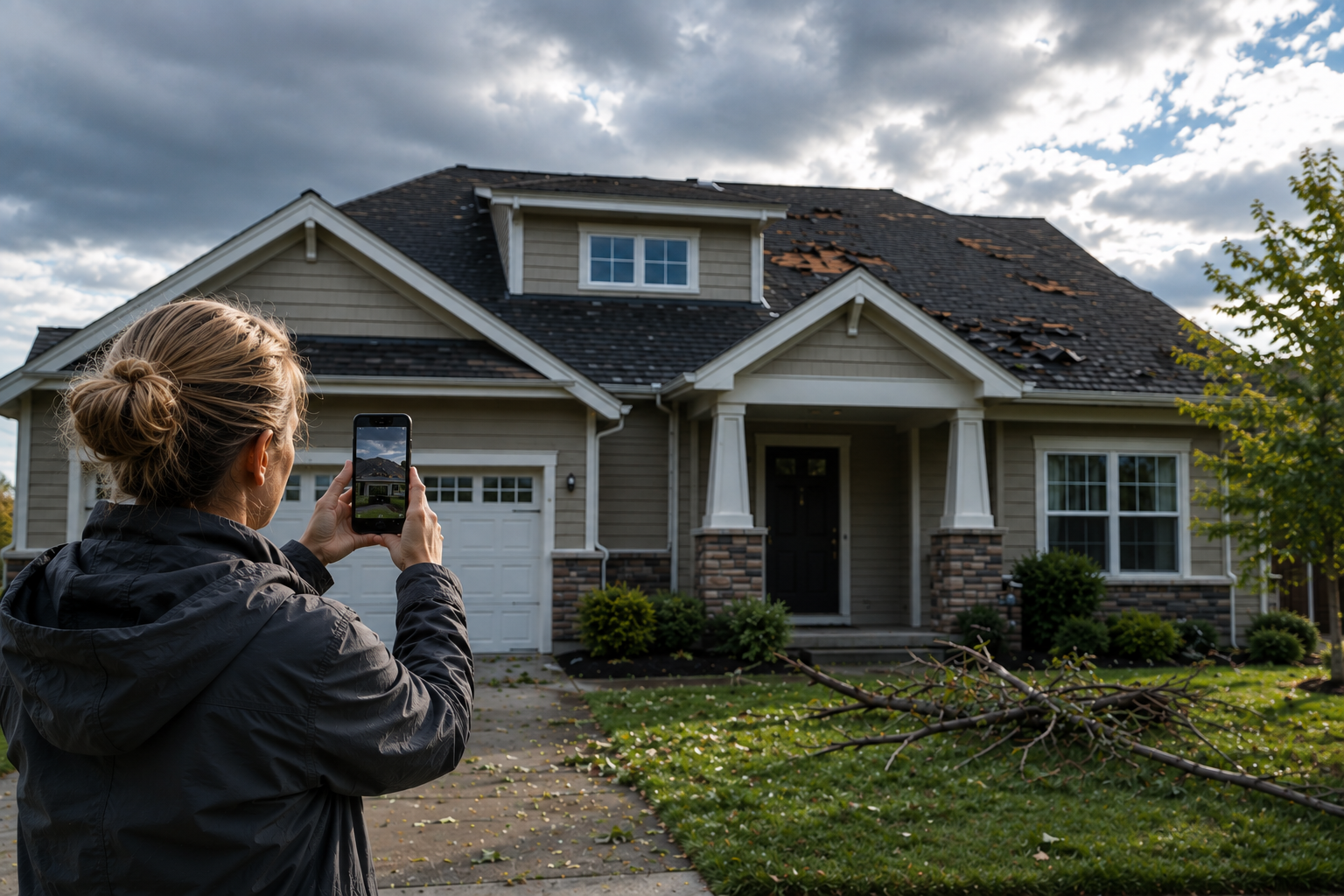
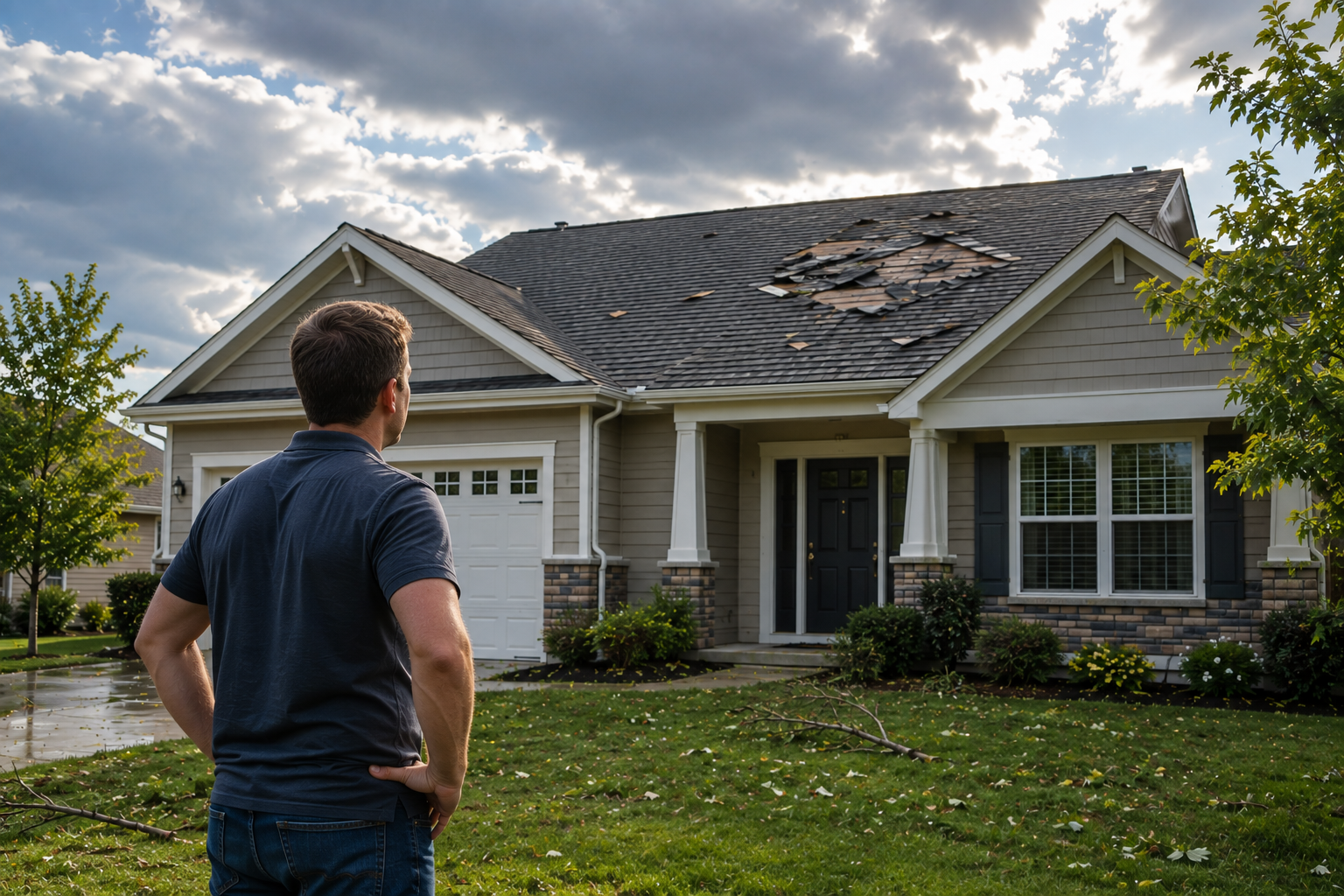 3. Document What You Can SeeBefore cleanup or temporary repairs begin, document visible damage when it is safe to do so.Take photos and videos of the exterior of your home, your yard, visible roof damage from ground level, damaged belongings, and any signs of water intrusion inside the home.You may also want to make notes about when the storm occurred and when you first noticed the damage.Keep your photos, videos, receipts, and other storm-related documents together. Depending on your situation and insurance coverage, this information may be helpful when communicating with your insurance company.
 4. Don't Ignore an Exposed RoofA storm may be over, but your home can still be vulnerable.When roofing materials are damaged or removed, rain and additional severe weather may expose the interior of your home to further damage.Water entering through a compromised roof can potentially affect insulation, ceilings, drywall, flooring, electrical components, furniture, and personal belongings.That's why temporary roof protection can be an important part of the period between storm damage and permanent repairs.A properly installed roof tarp is not intended to be the permanent repair. It provides temporary protection for a damaged area while the homeowner works through the next steps.
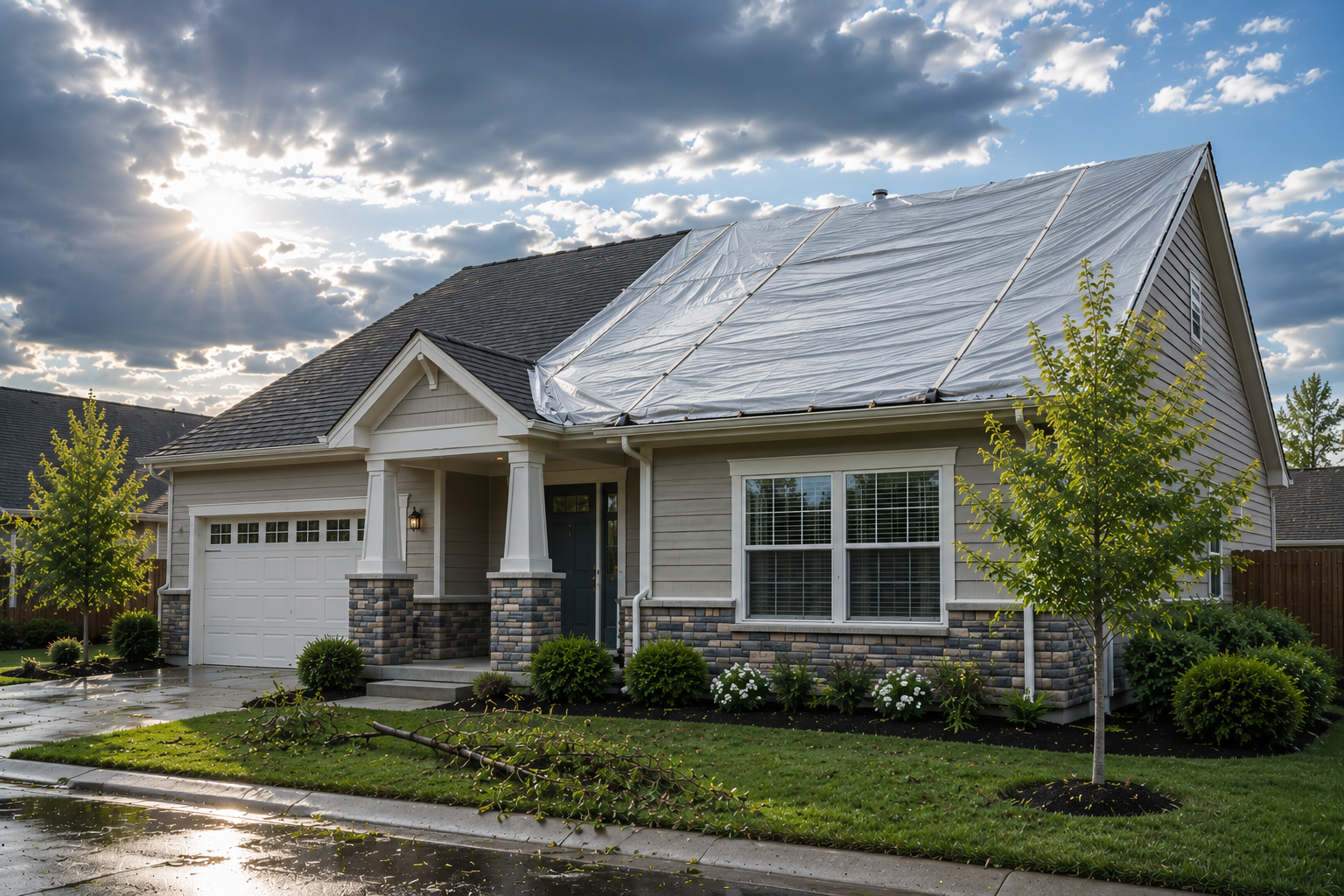 5. Be Careful Who You Trust After a Major StormUnfortunately, widespread storm damage can also bring an influx of unfamiliar contractors and door-to-door solicitations into affected neighborhoods.Homeowners are often making decisions while stressed, dealing with property damage, and trying to find help quickly.Before allowing someone to work on your property, take time to understand who you're working with.Verify appropriate licensing where required, ask about insurance, review agreements carefully, and don't allow urgency to pressure you into making a decision you don't understand.A damaged roof needs attention, but that doesn't mean you should abandon normal precautions.6. Contact Your Insurance CompanyIf you believe the damage may be covered by your homeowners insurance, contact your insurance company or agent to understand your policy and the appropriate claims process.Coverage, deductibles, documentation requirements, and procedures vary by policy and carrier, so follow the instructions provided by your insurer.Keep records of relevant conversations, documentation, receipts, and work performed on the property.7. Arrange Temporary Protection When NeededPermanent roof repairs may not happen immediately—especially after a large storm affects thousands of homes at the same time.That's where temporary roof protection can become especially important.Professionally installed tarping can help cover damaged portions of a roof while permanent repairs are being arranged.But here's the problem:After a major storm is often the hardest time to start figuring out who to call.Roofing professionals may be overwhelmed with requests. Phone lines can become busy. Families throughout the same community may all be searching for help at once.And that's exactly why preparation matters.
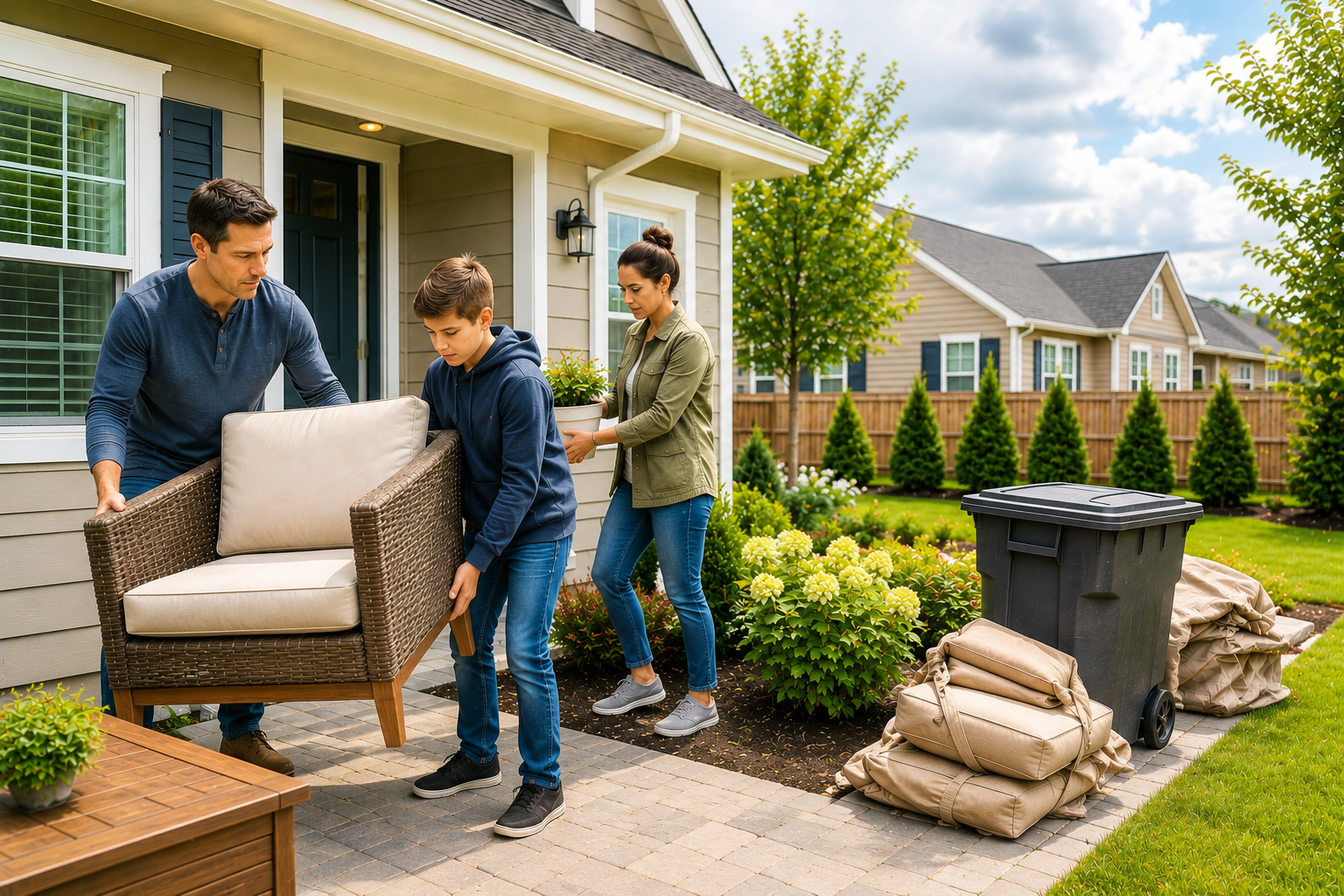 The Best Time to Make a Storm Plan Is Before You Need OneMost homeowners prepare for storms by stocking up on water, charging flashlights, bringing outdoor furniture inside, and checking weather alerts.But there's another question worth asking:What happens if the storm damages your roof?Who will you call?How will you find temporary protection?How will you know who you're dealing with?Those aren't questions you want to be answering for the first time while standing in your driveway looking at a damaged home.That's the problem Tarp Guard was created to help solve.Tarp Guard is building a network of vetted Certified Partners to help members request professional temporary roof protection following qualifying storm damage.Instead of beginning the search for help after the storm, Tarp Guard members already have a plan in place.Because storm preparation shouldn't stop when the rain starts.
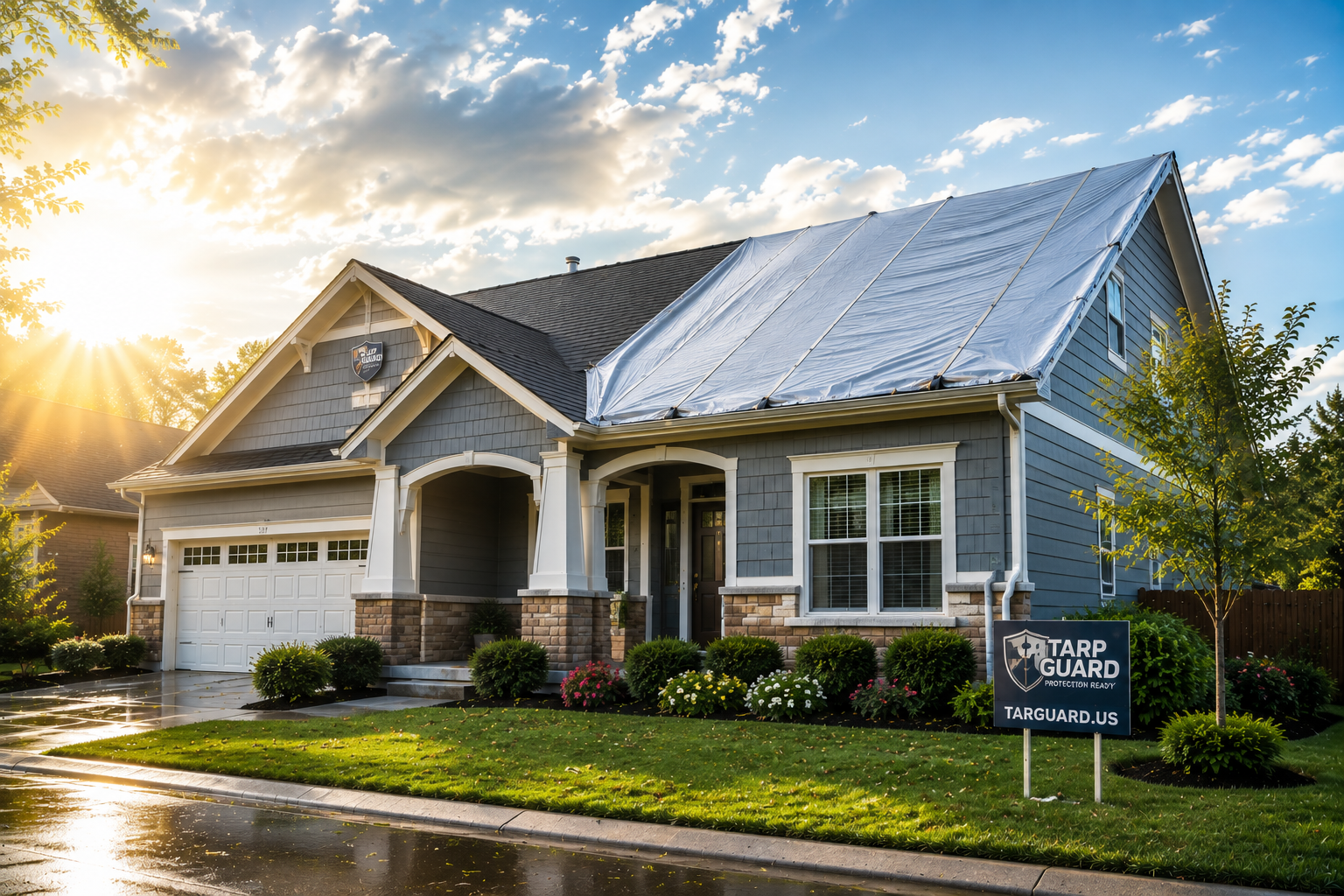 Don't Wait for the Storm to Make a PlanYou can't control when severe weather happens.But you can prepare for what comes next.Protect your family. Know what to do after a storm. Document damage safely. Understand your insurance coverage. And have a plan for temporary roof protection before you ever need it.Because when the clouds clear, the last thing you should be wondering is:“Who do I call now?”Get Protection Ready™Learn more about preparing your home for the unexpected and becoming a Tarp Guard member at TarpGuard.us