
Tarp Guard journal
Why You Should Have a Roof Damage Plan Before the Storm Hits
9/18/2026
Most families have some kind of storm preparation routine.
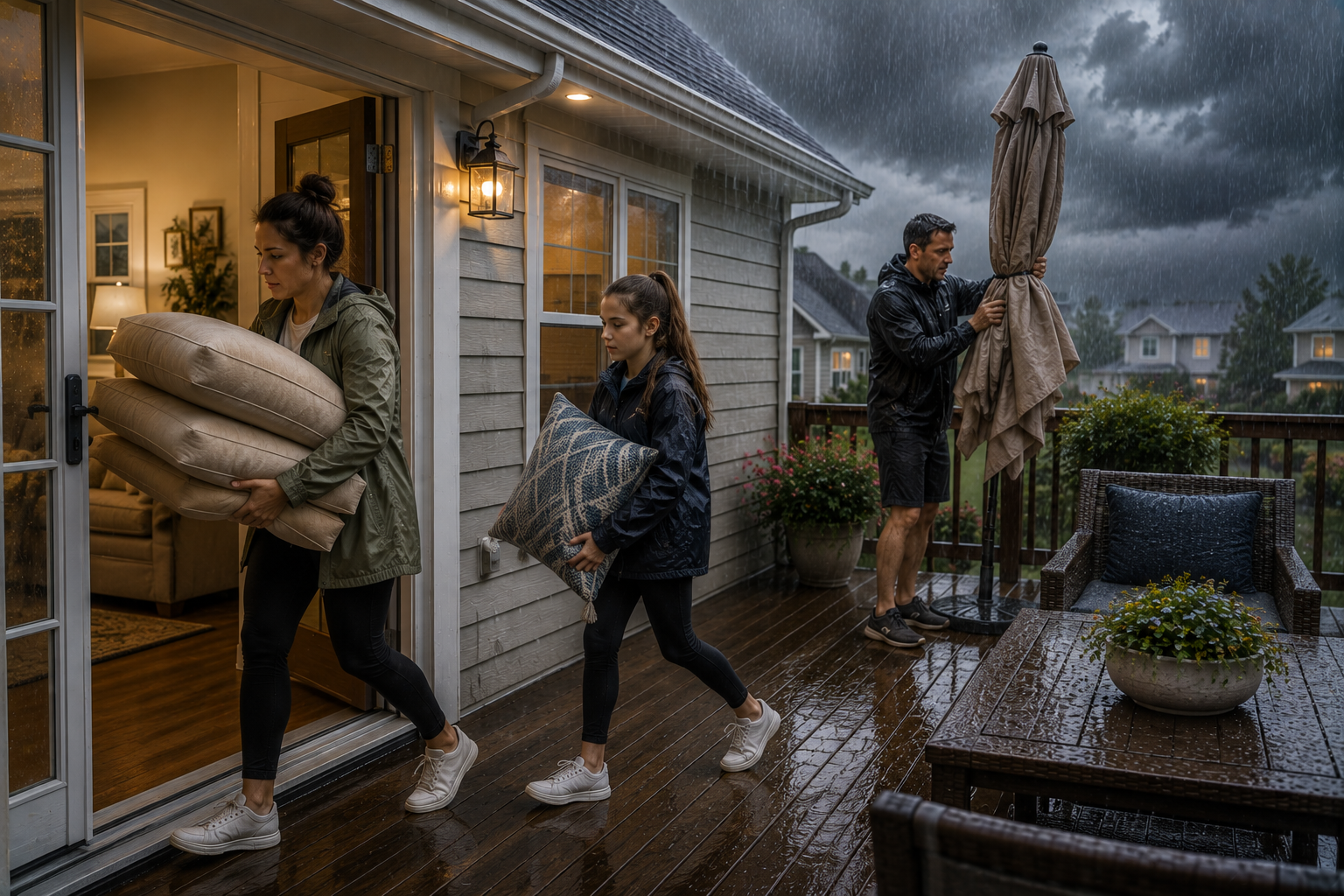
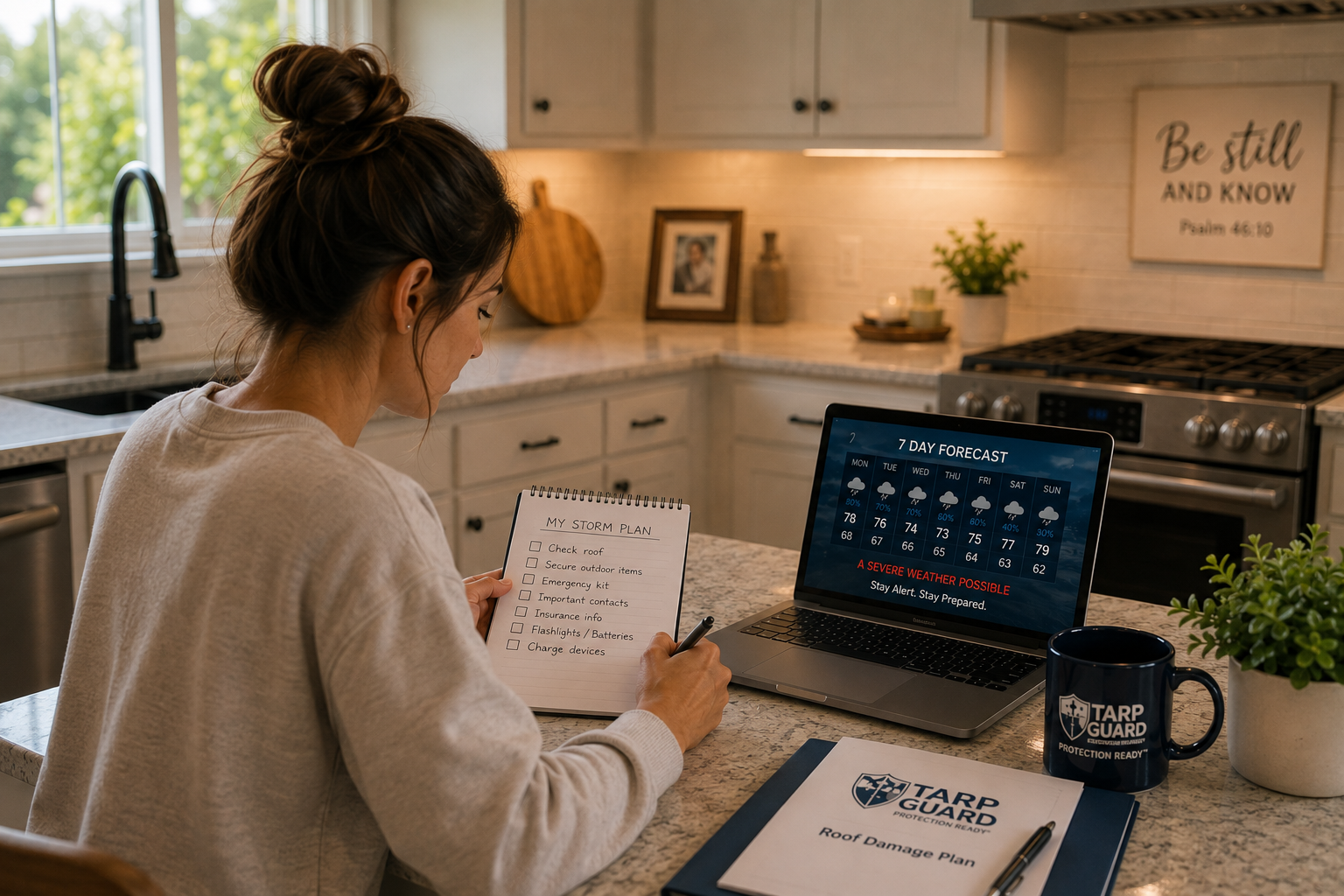
You bring in the patio furniture. Charge your phones. Check the flashlights. Stock up on water. Watch the forecast. Make sure everyone knows where to go if conditions become dangerous.
But there’s one part of storm preparation many homeowners don't think about:
What will you do if the storm damages your roof?
It's an easy question to overlook when your roof is perfectly fine.
But after severe weather moves through your community, it can suddenly become one of the most important questions you have to answer.
And by then, you may be trying to answer it at the exact same time as hundreds—or even thousands—of other homeowners.
That's why a roof damage plan should start before the storm ever arrives.
Storm Preparation Should Include What Happens Afterward
When we think about severe weather, we naturally focus on getting through the storm itself.
And safety should always come first.
But preparing your home also means thinking about what happens when the skies begin to clear.
Severe thunderstorms, hurricanes, tornadoes, hail and high winds can damage roofing materials, gutters, flashing and other parts of a home's exterior.
Sometimes the damage is obvious.
Other times, you may simply notice a few shingles in the yard, a water stain appearing on the ceiling or an area of the roof that doesn't look quite right.
Whatever the situation, knowing your next steps ahead of time can make the aftermath much easier to navigate.
The Hours After a Major Storm Can Be Chaotic
Imagine waking up the morning after a powerful storm.
You walk outside and see branches scattered across the yard. Your neighbors are inspecting their homes. A few shingles are lying near the driveway.
Then you look up.
Part of your roof has been damaged.
You pull out your phone and start searching:
“Emergency roof help near me.”
Then the calls begin.
One company doesn't answer.
Another has a full voicemail box.
Another says they're already booked.
Meanwhile, more rain may be in the forecast.
This isn't necessarily because help doesn't exist.
It's because widespread storms can create an enormous surge in demand almost overnight.
Everyone needs help at once.
Don't Wait Until Everyone Else Is Searching Too
Think about what happens before a hurricane or major winter storm.
Everyone goes to the store at the same time.
Suddenly, water is harder to find. Batteries disappear from shelves. Gas stations have long lines.
The same basic problem can happen with home services after widespread severe weather.
Roofing professionals and other contractors may receive a large number of calls in a very short period of time.
That's why waiting until after your roof is damaged to determine what you'll do next can add unnecessary stress to an already difficult situation.
A roof damage plan gives you a starting point.
Instead of asking:
“What do I do?”
You can focus on:
“What's my next step?”
That's a very different position to be in.
What Should Be in Your Roof Damage Plan?
A roof damage plan doesn't need to be complicated.
You aren't trying to predict exactly what will happen to your home. You're simply deciding ahead of time how you'll respond if damage occurs.
Your plan should include a few basic things.
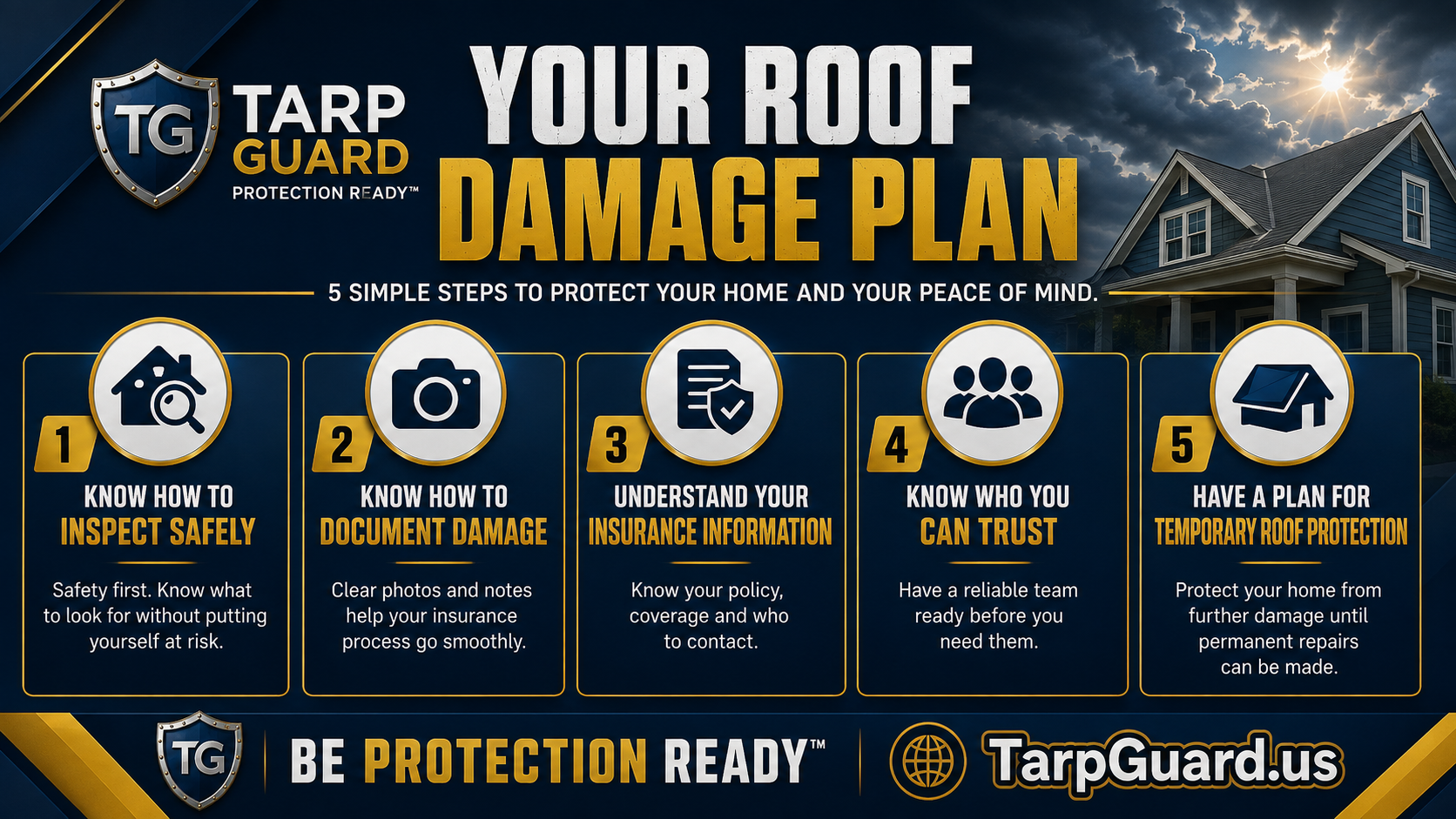
Know How You'll Inspect for Damage Safely
After the storm has passed and local authorities indicate conditions are safe, inspect your property from the ground.
Never climb onto a storm-damaged roof yourself.
Look for missing or lifted shingles, fallen branches, damaged gutters, visible openings and other obvious signs of damage.
Inside the home, watch for water stains, dripping water or other signs of moisture.
If you're unsure about the condition of your roof, contact an appropriate professional.
Know How You'll Document Damage
Have your phone available so you can safely photograph or record visible damage from the ground.
Document exterior damage as well as any signs of water intrusion inside your home.
Keeping this information organized can be useful when communicating with professionals and your insurance company.
Understand Your Homeowners Insurance
You don't want the first time you seriously look at your homeowners insurance policy to be after your home has been damaged.
Know who your insurance carrier is, how to contact them and where you can access your policy information.
Coverage and claim requirements vary, so contact your insurer for guidance regarding your specific policy and situation.
Know Who You'll Trust
After widespread storm damage, homeowners may encounter unfamiliar contractors and door-to-door solicitations.
Don't allow the urgency of the situation to eliminate normal precautions.
Before allowing someone to work on your property, verify appropriate licensing where required, insurance and other credentials. Read agreements carefully and understand what you're authorizing.
Knowing this ahead of time can help you make more confident decisions when emotions are running high.
Have a Plan for Temporary Roof Protection
This is one of the most commonly overlooked pieces of storm preparation.
If your roof is damaged, permanent repairs may not happen immediately.
In the meantime, the damaged portion of your home may remain vulnerable to additional rain and weather.
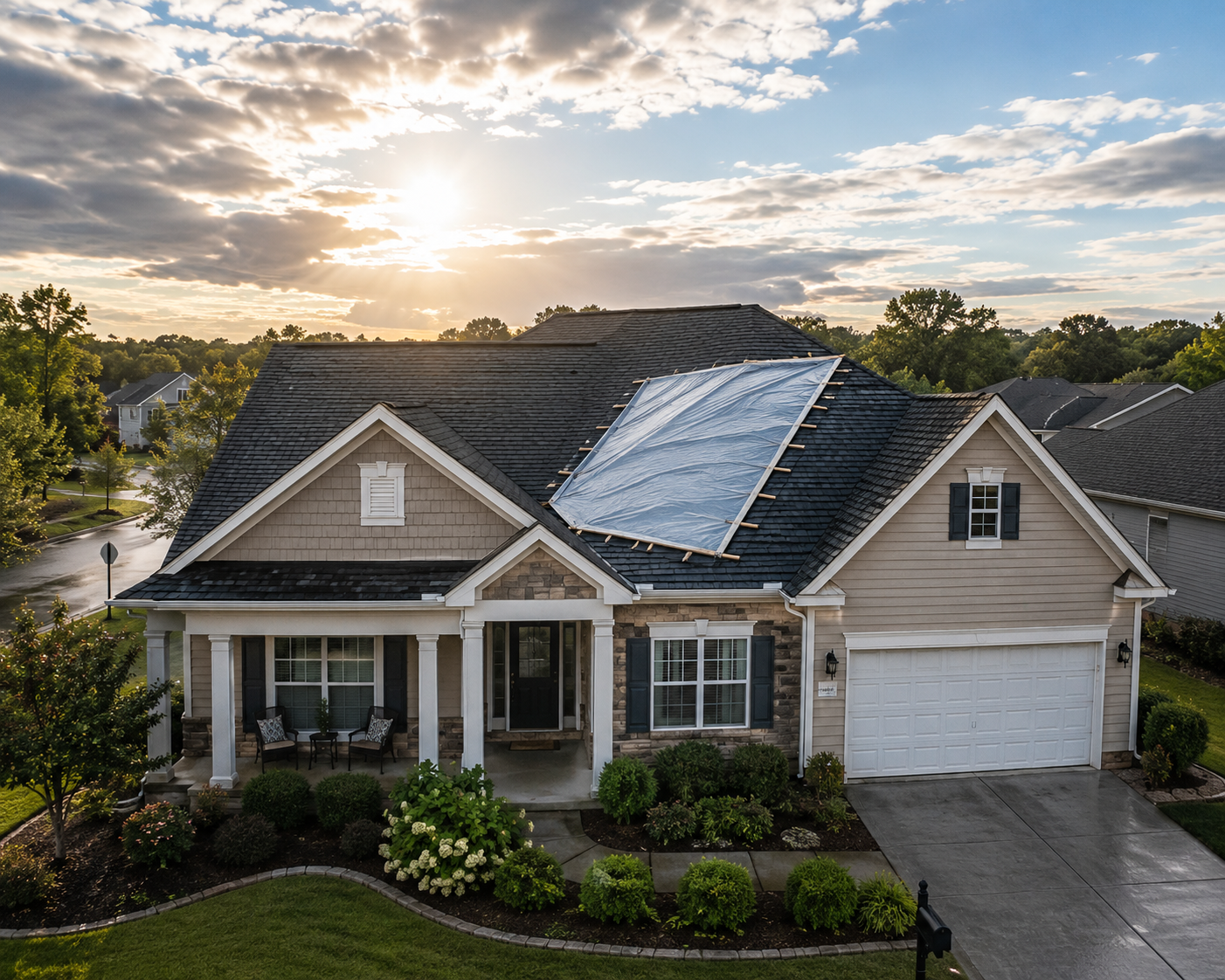
Professional temporary roof protection can help cover a compromised area while permanent repairs are being arranged.
A professionally installed tarp isn't the permanent solution.
It's protection for the time between the damage and the repair.
And that time matters.
The Storm May Be Over. The Risk Isn't.
There's a dangerous assumption homeowners can make after severe weather:
“We made it through the storm, so we're okay.”
Hopefully, that's true.
But if your roof has been compromised, the next ordinary rainstorm can create another problem.
Water entering through damaged roofing can potentially affect insulation, drywall, ceilings, flooring, electrical components, furniture and personal belongings.
That's why roof damage shouldn't simply be something you plan to address eventually.
Your storm plan should include a strategy for protecting the home while you arrange permanent repairs.
Preparation Can Replace Panic With a Plan
You can't control the weather.
You can't guarantee your home will never experience storm damage.
And you can't control how many other homeowners may need assistance after the same storm.
But you can control whether you're starting from zero.
That's the difference between reacting and preparing.
When you already know what to look for, who to contact, how to document damage and what you'll do if temporary protection is needed, you have a roadmap for those first critical steps after the storm.
And that's exactly where Tarp Guard comes in.
Tarp Guard Was Built Around Being Ready Before You Need Help
Tarp Guard was created around a simple idea:
Homeowners shouldn't have to wait until their roof is damaged to start figuring out their plan.
Tarp Guard helps homeowners prepare ahead of time by connecting members with a network of vetted Certified Partners for professional temporary roof protection following qualifying storm damage.
When the storm passes and damage occurs, members aren't beginning their search from scratch.
They already have a plan.
We call that being Protection Ready™.
Add Roof Damage to Your Storm Checklist
The next time severe weather appears in the forecast, you'll probably do the things you've always done.
Bring loose items inside.
Charge your devices.
Check your emergency supplies.
Follow local weather alerts.
Make sure your family is safe.
But add one more question to your checklist:
“If this storm damages my roof, do I know what happens next?”
If the answer is no, now is the time to make that plan.
Not when the rain is pouring into your home.
Not when contractors throughout your community are receiving hundreds of calls.
Not when you're standing in your driveway trying to figure out who you can trust.
Before the storm.
Because being storm ready isn't only about preparing for the weather.
It's about being prepared for what comes after it.
Get Protection Ready™
Don't wait until there's damage to decide what you'll do next.
Learn more about Tarp Guard and how to become Protection Ready™ at TarpGuard.us.